GLOBAL AYURVEDA
  • Home
  • About
    • Speakers
    • Customer Satisfaction Survey
    • Volunteer Application
    • Request of More Information
    • Legal and Accounting
  • Shop
    • India Training
    • Webinars
    • Conference Lectures
  • Study Ayurveda
    • Vedic Medical Astrology
    • Ayurveda Webinars
    • PGDA
    • Vedic Science Webinars
    • Webinar Participants
    • Online Courses
    • Ayurveda Trainings >
      • ALC
      • AHC
      • AP
      • AAP
      • MAS
    • Specialty Trainings >
      • IAP
      • IAR
      • AFNC
      • AH
      • AYT
      • PKT
      • AMT
      • APC
      • ADT
      • APh
      • AAT
      • APT
      • ASBT
      • VVC
      • VAC
      • MSI
    • India Training
    • Mother & Child
    • MoU
  • Conferences
    • 72 Conference Pranada
    • 73 Conference Musculoskeletal Disorders
    • 74 Conference Adrenal Disorders
    • 75 Conference Fibromyalgia
    • 76 Conference Respiratory Disorders
    • 77 Ayurveda Psoriasis
  • Past Conferences
    • 71 - 80 Conferences >
      • 71 Conference Ayurveda & CFS
    • 61-70 Conferences >
      • 61 Conference Ayurveda & Parkinson's Disease
      • 62 Conference Ayurveda & Osteoporosis
      • 63 Conference Ayurveda & Inflammatory Bowel Disease
      • 64 Conference Ayurveda & Rheumatoid Arthritis
      • 65 Conference Ayurveda Yoga for Health & Wellness
      • 66 Conference Ayurveda & Endometriosis
      • 67 Conference Ayurveda and the Mind
      • 68 Conference Ayurveda & Gout
      • 69 Conference Ayurveda & Insomnia
      • 70 Conference Ayurveda for Perfect Health
    • 51 - 60 Conferences >
      • 51 Conference Ayurveda & Stress Management
      • 52 Conference Ayurveda & Eye Care
      • 53 Conference Ayurveda for a Healthy World
      • 54 Conference Ayurveda & Addictions
      • 55 Conference Ayurveda & Emotions
      • 56 Conference Ayurveda for Women
      • 57 Conference Child Health Care Through Ayurveda
      • 58 Conference Ayurveda & Allergies
      • 59 Conference Ayurveda & Arthritis
      • 60 Conference Ayurveda & Metabolic Disorders
    • 41 - 50 Conferences >
      • 41 Conference Ayurveda & Lung Care
      • 42 Conference Ayurveda & Liver Care
      • 43 Conference Ayurveda & Gut Health
      • 44 Conference Ayurveda & Heart Care
      • 45 Conference Ayurveda & Kidney Care
      • 46 Conference Ayurveda & Thyroid Care
      • 47 Conference Ayurveda for Healthy Living
      • 48 Conference Ayurveda & Fertility
      • 49 Conference Ayurveda & Aroma Therapy
      • 50 Conference Ayurveda & Marma Therapy
    • 31 - 40 Conferences >
      • 31 Conference AyurYoga for Radiant Health - Cruise
      • 32 Conference Ayurveda: Autoimmune & Metabolic Disorders
      • 33 Conference: Ayurvedic Pediatrics
      • 34 Conference: Evedence Based Ayurveda
      • 35 Conference Ayurveda & Epigenetics
      • 36 Conference Ashtanga Ayurveda
      • 37 Conference Ayurveda & the Mind
      • 38 Conference Clinical Ayurveda
      • 39 Conference Ayurveda & Pain Management
      • 40 Conference Ayurveda & Skin Care
    • 21 - 30 Conferences >
      • 21 Conference Ayurveda & Psychology
      • 22 Conference Home Remedies
      • 23 Conference Ayurveda for Health
      • 24 Conference Kayachikitsa & Panchakarma
      • 25 Conference Silver Jubilee
      • 26 Conference Ayurveda & Women's Health
      • 27 Conference Ayurveda for All
      • 28 Conference Ayurveda & Panchakarma
      • 29th Conference Mother & Child Healthcare
      • 30 Conference Ayurveda, Yoga, Spirituality
    • 11 - 20 Conferences >
      • 12 Conference Spirituality & Healing
      • 13 Conference Energy Medicine
      • 14 Conference Consciousness
      • 15 Conference Autoimmune Disorders
      • 16 Conference Shalakya Manthana
      • 17 Conference Food & Nutrition
      • 18 Conference Herbs & Minerals
      • 19 Conference Integrated Medicine
      • 20 Conference Panchanga Veda
  • Blog
  • Related
    • Ayurveda Wellness Center
    • AAPNA
    • Contact >
      • Recipes
Picture
Conference Prime Sponsor
Picture
Picture
Picture

- The Nearest Airports -
ABE (Allentown) to Arsha Vidya Gurukulam - 27.4 miles
EWR (Newark) to Arsha Vidya Gurukulam - 86.1 miles
PHL (Philadelphia) to Arsha Vidya Gurukulam - 99.4 miles
JFK (New York) to Arsha Vidya Gurukulam - 118.3 miles

Picture
Picture
Picture
Picture

Highlights of the Conference
30 Reasons to Join in the Conference
1. Affordable Conference
2. 4-day event with one registration fee
3. One Track Conference ( you will never miss any speaker)
4. Twenty Five (25) PACE Credits from AAPNA
5. 47 lectures and presentations with Various speakers on different topics
6. Dhanwantari Homa (Fire) Ceremony 
7. Satvic (Holy) atmosphere. Wonderful Ashram
8. Vegetarian Food (Breakfast, Lunch, Dinner)
9. Affordable accommodation with meals
10. Special discounted rate for multiple  participants
11. BOGO 
(Buy One Get One) Half Price 
12. Meet with the authors of Ayurveda
13. Three (3) Morning Pooja (Arati) - Vedic Ceremonies
14. Three (3) Evening Pooja (Arati) Vedic Ceremonies

15. Three (3) Yoga Classes
16. Three (3) Breakfasts
17. Three (4) Lunches
18. Three (4) Tea and Snacks
19. Three (3) Dinners
20. Two (2) Satsanghs / Meditations
21. Thirty Five (35) Speakers
22. Special Ayurveda Practitioners & BAMS Doctors (Vaidyas) Meet
23. Five (5) Panel Discussions
24. Book Authors Meet
25. Laughter Yoga 
26. Clinical Case Presentation with patients / clients
​27. Yoga Alliance Continuing Education 
28. Eleven (11) poster presentations
29. 
Online Zoom lectures recorded, those who are not able to come in-person
30. Sponsors and Exhibitors interactive sessions

CLICK HERE TO VIEW CONFERENCE PROGRAM SCHEDULE

Ayurveda and the Mind 

Organizing Team

Picture

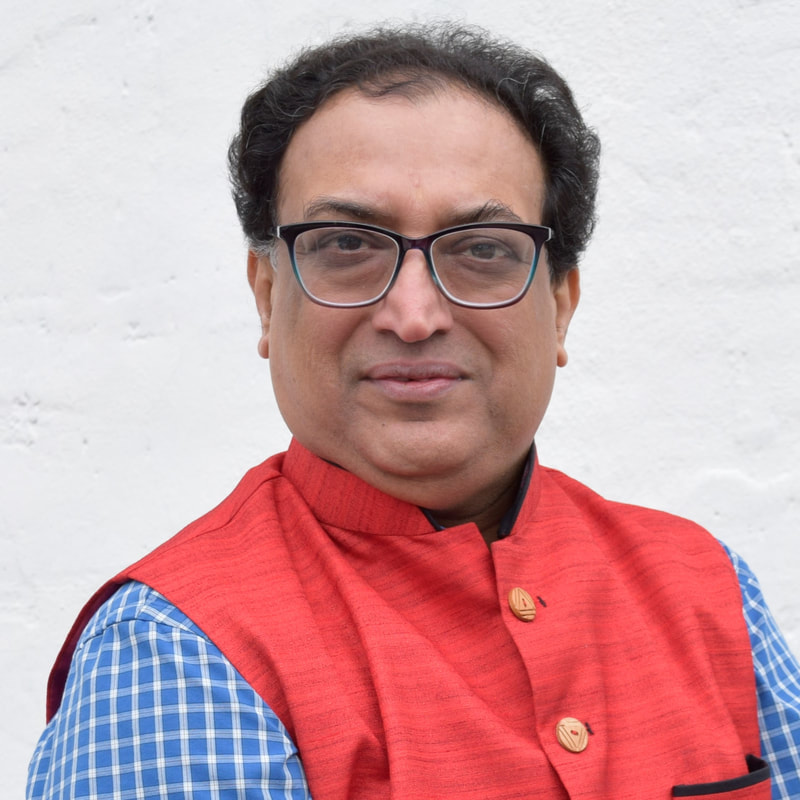
Dr. Shekhar Annambhotla

Organizing Director
Picture

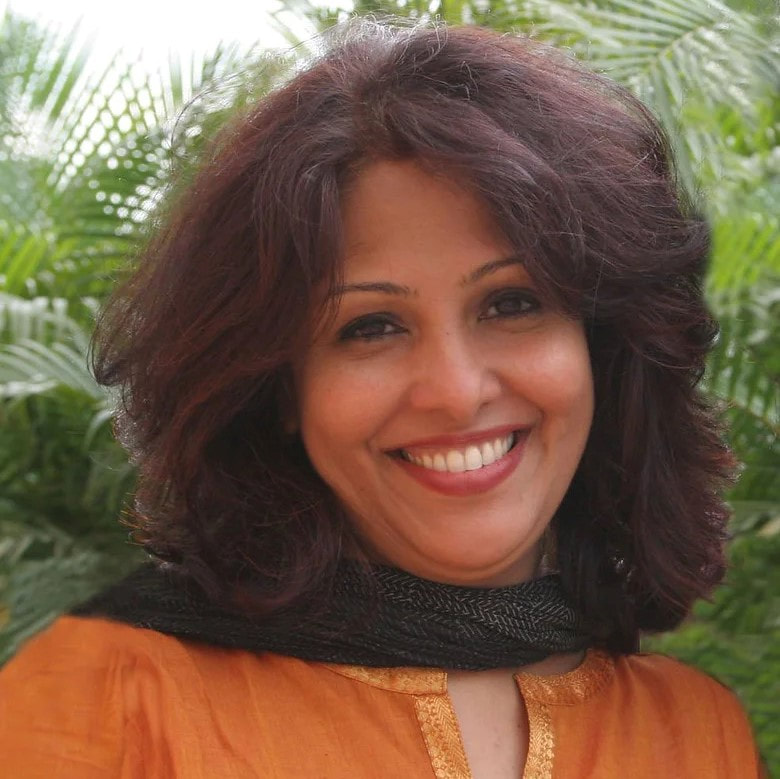
Sudha Bulusu

Communication Director
Picture

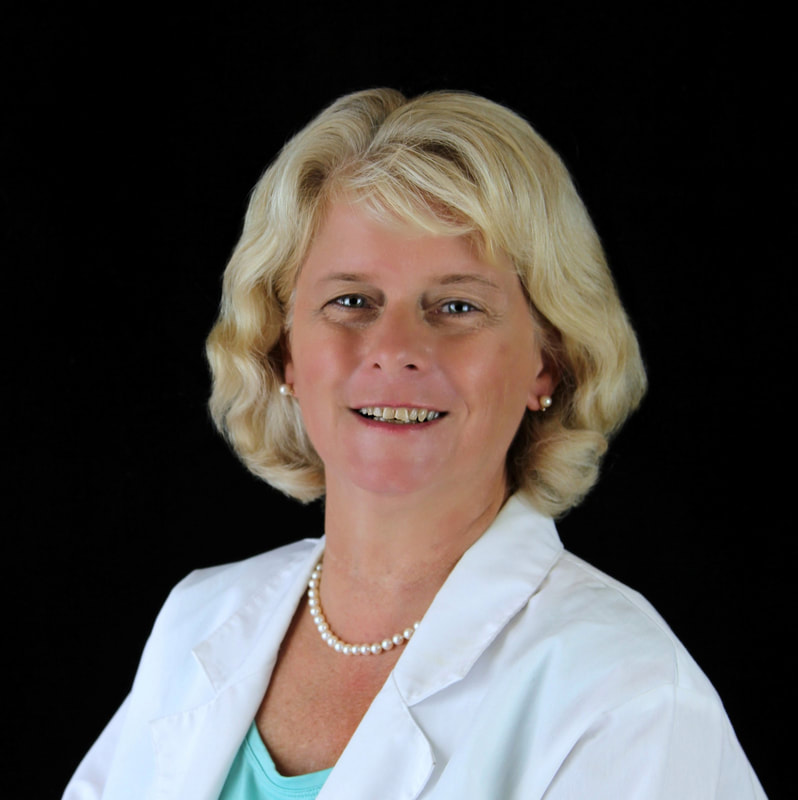
Michelle Costantini

Organizing Secretary

About the Conference

25.0 PACE (Professional Ayurvedic Continuing Education) Credits from AAPNA (Association of Ayurvedic Professionals of North America, Inc. USA
Ayurveda and the Mind
May 1 - 4, 2025 (4 days)
35 Speakers


Keynote Speakers

Picture
Vasant Lad,
BAMS, MASc,
​North Carolina, USA​
Picture
​

Smita Naram
Ayurveda Uttama
Mumbai, India

Picture
Shanmugamurthy Lakshmanan
​PhD
New York, USA
Picture
Zuluan Orion
​BAMS, MD (Ayu), PhD
Florida, USA
Picture
Anil Maheswari
PhD
Iowa, USA
Picture
Suresh Swarnapuri
BAMS, MD (Ayu)
Cork City, Ireland

Conference Moderators

Picture
Picture
Picture
Picture
Picture

Featured Speakers


Speaker Topics Include:
1. Ashram Logistics and Lineage of Vedic Tradition - Suddhatma Chaitanya, Pennsylvania, USA
2. Integrating the nature of awareness in healing process  - Zuluan Orion, BAMS, MD (Ayu), Florida, USA
3. Spices as the Natural anti-obesity substances and improve mental health - Margaret J Schomer, Illinois, USA
4. Scientific benefits of Maha Kumbhamela - Soham Rao, California, USA
5. Author talk 'Yogecology: Spirit in the Soil' - Shreejan Sita, Michigan, USA
6. Vastu, Jyotish, Ayurveda remedies for mental health (Online) - Michael Mastro, VVC, California, USA
7. Practical Demonstration:  Yoga and Relaxation - Lisa Bryan, MA, RYT-500, Pennsylvania, USA
8. Panel Discussion –
Moderator - Nancy Smith
Participants - Zuluan Orion, Margaret Schomer, Soham Rao, Shreejan Sita

9. Special Lecture (Online) - Ayurveda and the mind - Manovaha Srotas - Vasant Lad, BAM & S, MASc., North Carolina, USA
10. Mental Health Remedies through Medical Astrology (Online) - Dr. Om, BNYS, MBS, Bangkok, Thailand
11. Pooja – Aarati - (Vedic Ceremony) at the Temple
12. Practical Demonstration: Yoga for Your Body Type - Nancy Smith, RAP, LMT, New Jersey, USA
13. V-Theory from Yoga Sutras for a healthy mind - Anil Maheshwari, PhD, Iowa, USA
14. Ayurvedic Solutions for Cognitive and Speech Development: Exploring the Impact of Nose-to-Brain Drops and Vaakkdevi Rasayana - Santishree Bheesetti, BAMS, RAAP, Hyderabad, India
15. Yoga for Mind & Memory (Online) - Grand Master Kamal, PhD, Bangkok, Thailand
16. Our Breath, The Brain, and The Development of Mind - Melissa Mroz, BS, MS, C-IAYT, Pennsylvania, USA
16. Panchakosha in our daily lives - Swamini Ramananda, PhD, Pennsylvania, USA
18. Panel Discussion -
Moderator – Suresh Swarnapuri
Participants - Anil Maheswari, Santhisree Bheesetti, Melissa Morez, Swamini Ramananda

19. Varma Therapy and the Quantum Pathways of Femtoneurobiology: Unlocking the Body's Hidden Healing Potential - Shanmugamurthy Lakshmanan, PhD, New York, USA
20. Sound Healing - Erin Troy, Reiki Master, Yoga Teacher, Pennsylvania, USA
21. Mantras for Mind - Neil Sahil Parmeswar, Pennsylvania, USA
22. The Power of the Mind - Suresh Swarnapuri, BAMS, MD (Ayu), Cork City, Ireland
23. Healthy Microbiota for Healthy Mind - Leah Quirk, Ayurveda Health Counselor, Pennsylvania, USA 
24. Kundalini Yoga for Mind - Michelle DeFranco, Pennsylvania, USA
25. Panel Discussion – Moderator - Smita Naram
Shanmugamurthy Lakshmanan, Erin Troy, Leah Quirk, Pandit Neil Sahil Parmeswar, Suresh Swarnapuri, Michelle DeFranco

26. Special Lecture - Trauma Healing through Ancient Marma Therapy - Smita Naram, Ayurveda Uttama, Mumbai, India
27. Pooja – Arati – Vedic Ceremony – Temple
28. Yoga Therapy – Shreejan Sita, C-IAYT, E-RYT500, YACEP, Michigan, USA
29. Emotional Trauma Care – Laxmi Parmeswar, MA, MS, LPC, Pennsylvania, USA
30. Ayurvedic insights in navigating ADHD – Jaya Daptardar, BAMS, MHA, Connecticut, USA
31. How to grow your medicinal garden at home and mind power boosting herbs - Manish Bhagat, PhD, New Jersey, USA
32. Ayurvedic Management of Bipolar Disorder - Shekhar Annambhotla, BAMS, MD (Ayu), LMT, RMAS, Pennsylvania, USA
33. Guided Meditation Technique for Mind and Stress Management - Swami Jnanananda Saraswati, Pennsylvania, USA
34. Laughter Yoga – All Participants
35. Attachment, Service, and Holistic Health for Success - Chris Casely, PhD, Virginia, USA
36. Imbalanced Mind and Emotions: Ayurvedic Solutions – Smita Naram, Ayurveda Uttama, Mumbai, India
37. Dhanwantari - Fire Ceremony for Mind and Body - Priest Ganesan, Pennsylvania, USA
38. Panel Discussion
Moderator – Shri Gupta
Participants - Jaya Daptardar, Chris Casely, Smita Naram, Manish Bhagat, Laxmi Parmeswar, Shekhar Annambhotla

39. Special Lecture - Jyotisha and the Inner Organ of the Mind - Penny Farrow, BS, MS, Jyotishi, Florida, USA
​40. Pooja (Arati) Vedic Ceremony - Temple
41. Shivananda Yoga Style – Suzanne Ickes, RD, LDN, Yoga Teacher, Pennsylvania, USA
42. Nutrition and Ayurvedic Lifestyle - Sushma Jois, New York, USA
43. A new perspective in mental health management- Christian Kcomt, MD, Pennsylvania, USA
44. Chakra Balancing - Zuluan Orion, BAMS, MD (Ayu), RMAS, Florida, USA
45. Can Āyurveda help to anticipate and prevent manorogā (Mental Disorders) (Online) - Mukund Muralidhar Kulkarni, Maharashtra, India
46. Yoga research on Mental Health (Online) - Suprakash Mandal, MD, AIIMS, New Delhi, India

​47. Panel Discussion
​Moderator - Shreejan Sita
Participants - Sushma Jois, Christian Kcomt, Zuluan Orion

Poster Presentations Speakers

Poster Presentation Topics:
1. Conscious Business Models: Ayurvedic food and Materials - Apurva Janaki, Georgia, USA
2.
 Exploring the Neuroprotective Potential of Nigella - Sujay Senthilkumar, New Jersey, USA
3. Ayurvedic Medhya Rasayana Brahmi (Bacopa monnieri): In Silico Exploration of PKA Modulation for Cognitive Enhancement - Keda Narayan, Pennsylvania, USA (co-authored - Daniel Lituma-Gonzalez, Tanishque Verma)
4. Sustainable Skies: Exploring Ancient Indian Aerospace Technologies and Their Integration with Modern Innovations for an Eco-Friendly Future - Shreya Shastri, North Carolina, USA
5. Inner Cosmos (It Was Never External): Kundalini as a Biological Process in the Brain - Vishnu Karanam, New Jersey, USA
6. 
Timeless Craftsmanship: Exploring Sustainable Materials and Methods in Ancient Indian Architecture for a Low-Carbon Future - Vanshika Sivakumar, New Jersey, USA (co-authored -  Vanadeep Kaluvagunta, Professor of Environment, Climate Change, and Ancient Physics, Siddha Vetha Multiversity, Newark, NJ – 07103 USA)
7. 
From Padārtha to Programming: Using Nyāya to assess Software Architectures and Computational Systems - Harikishore Tadigotla, Texas, USA (co-authored Dr. Shanmugamurthy Lakshmanan)
8. Exploring the Therapeutic Dimensions of Bharatanatyam Through Classical Texts and Modern Evidence-Based Science - Bhargavi Seshadri, Texas, USA
9. Integrative Applications of Siddha Varma Therapy for Life Energy Enhancement and Holistic Health Management – Rajeshwari Mallikarjun, Virginia, USA
10. 
Conscious Entrepreneurship: Integrating Intelligence-Driven Approaches for Sustainable Global Impact - Mahendiran Periyasamy, Virginia, USA
11. 
Promotion of Siddha Ayurveda Tradition in Western Context – Andy Lai, Texas, USA

Program Schedule

Thursday, May 1, 2025

Time
Topic
Speaker / Location
11:00 am - 01:30 pm
Lunch and Exhibitors and Sponsors Setup
Dining Hall & Conference Room
12:00 pm - 01:30 pm
Registration, Badge Pickup, Folder
Conference Room
02:00 pm - 02:10 pm
Inauguration
Dhanwantari Prayer Recitation
02:10 pm - 02:30 pm
Ashram Logistics and Lineage of Vedic Tradition
Suddhatma Chaitanya, Pennsylvania, USA
02:30 pm - 03:00 pm
Integrating the nature of awareness in the healing process
​(Keynote speaker) 
Zuluan Orion, BAMS, MD (Ayu), PhD, Florida, USA
03:00 pm - 03:30 pm
Spices as the natural anti-obesity herbs and improve mental health
Margaret J Schomer, Illinois, USA
03:30 pm - 04:00 pm
Scientific benefits of maha kumbha mela
Soham Rao, California, USA
04:00 pm - 04:30 pm
Tea / Coffee Break & Visiting Sponsors and Exhibitors
Conference Hall
04:30 pm - 05:00 pm
Author Talk: "Yogecology": Spirit in the Soil"
Shreejan Sita, C-IAYT, ERYT500, YACEP, Michigan, USA
05:00 pm - 05:30 pm
Vastu, Jyotisha, Ayurveda Remedies for Mental Health
Michael Mastro, VVC, California, USA
05:30 pm - 06:00 pm
Practical Demonstration 
Yoga for Relaxation and Stress Reduction

Lisa D. Bryan, MA, ERYT500, Pennsylvania, USA
06:00 pm - 06:30 pm
Panel Discussion 
Moderator - Nancy Smith

Zuluan Orion
Margaret Schomer
Soham Rao
Shreejan Sita
06:30 pm - 08:00 pm
Dinner
Dining Hall
08:00 pm - 08:30 pm
Special Lecture - Ayurveda and the Mind - Mano Vaha Srotas
(Keynote Speaker) 
Vasant Lad, BAMS, MASc, North Carolina, USA
08:30 pm - 09:00 pm
Mental Health Remedies through Medical Astrology
Dr. Om, BNYS, MBA, Bangkok, Thailand

Friday, May 2, 2025

Time
Topic
Speaker / Location
05:45 am - 06:45 am
Pooja (Arati) Vedic Chantings
Temple
06:45 am - 07:30 am
Yoga for Your Body Type
Nancy A Smith, BA, RAP, LMT, RYT, New Jersey, USA
Yoga Room (below the temple)

07:30 am - 08:30 am
Breakfast
Dinning Hall
08:30 am - 09:00 am
Day pass Registration, Badge Pick-up, Folder
Conference Hall
09:00 am - 09:15 am
Inauguration 
Dhanwantari Prayer Recitation
09:15 am - 09:45 am
V-Theory from Yoga Sutras for Healthy Mind
(Keynote Speaker)

Anil Maheswari, BTech, PhD, Iowa, USA
09:45 am - 10:15 am
Ayurvedic Solutions for Cognitive and Speech Development: Exploring the impact of nose-to-brain drops and Vaakkadevi Rasayana
Santhisree Bheesetti, BAMS, RAAP, Hyderabad, India
10:15 am - 10:45 am
Yoga for Mind and Memory
Grand Master Kamal, Bangkok, Thailand
10:45 am - 11:00 am
Tea / Coffee Break & Visiting Sponsors and Exhibitors
Conference Hall
11:00 am - 11:30 am
Our Breath, Brain and the Development of Mind
Melissa Moroz, BS, MS, C-IAYT, Pennsylvania, USA
11:30 am - 12:00 pm
Pancha Koshas in our daily life
Swamini Ramananda, PhD, Pennsylvania, USA
12:00 pm - 12:30 pm
Panel Discussion
Moderator - Suresh Swarnapuri

Nancy Smith
Anil Maheswari
Santhisree Bheesetti
Melissa Moroz
Swamini Ramananda
12:30 pm - 02:00 pm
Lunch & Visit Sponsors and Exhibitors
Dining Hall
02:00 pm - 02:30 pm
Verma Therapy and Quantum Pathways of Femtoneurobiology: Unlocking the body's hidden healing potential
​(Keynote Speaker)
Shanmugamurthy Lakshmanan, PhD, New York, USA
02:30 pm - 03:00 pm
Sound Healing
Erin Troy, Reiki Master, Yoga Teacher, Pennsylvania, USA
03:00 pm - 03:30 pm
Mantras for Mind
Pandit Neil Sahil Parmeswar, Pennsylvania, USA
03:30 pm - 04:00 pm 
Tea / Coffee Break and Visiting sponsors and exhibitors
Conference Room
04:00 pm - 04:30 pm 
The Power of Mind
​Keynote Speaker

Suresh Swarnapuri, BAMS,
​MD (Ayu), Cork City, Ireland
04:30 pm - 05:00 pm 
Healthy Microbiota and Healthy Mind
Leah Quirk, Ayurvedic Health Counselor, Pennsylvania, USA
05:00 pm - 05:30 pm 
Practical Demonstration - Kundalini Yoga
Michelle DeFranco, Yoga Teacher, Pennsylvania, USA
05:30 pm - 05:45 pm
Copper Sponsor Presentation
Sree Prathama Ayurvedam Private Limited, Hyderabad, India

Santhisree Bheesetti, BAMS, RAAP, Hyderabad, India
05:45 pm - 06:30 pm
Panel Discussion 
​Moderator - Smita Naram

Shanmugamurthy Lakshmanan
Erin Troy
Pandit Neil Sahil Parmeswar
Leah Quirk
Suresh Swarnapuri
Michelle DeFranco

06:30 pm - 08:00 pm
Dinner and Visit Sponsors and Exhibitors
Dining Hall
08:00 pm - 09:00 pm
Special Lecture - Trauma Healing Through Ancient Marma Therapy
​Keynote Speaker

Smita Naram, Ayurveda Uttama, Mumbai, India

Saturday, May 3, 2025

Time
Topic
Speaker / Location
05:45 am - 06:45 am
Pooja (Arati) Vedic Chantings
Temple
06:45 am - 07:30 am
Yoga Therapy
Shreejan Sita, C-IAYT, ERYT500, YACEP, Michigan, USA
​Yoga Room (below the temple)

07:30 am - 08:30 am
Breakfast
Dinning Hall
08:30 am - 09:00 am
Day pass Registration, Badge Pick-up, Folder
Conference Hall
09:00 am - 09:15 am
Invocation of Shanti Mantra
Dhanwantari Recitation
09:15 am - 09:45 am
Emotional Trauma Care
Laxmi Parmeswar, MA, MS, LPC, Pennsylvania, USA
09:45 am - 10:15 am
Ayurvedic insights in navigating ADHD
Jaya Daptardar, BAMS, MHA, Connecticut, USA
10:15 am - 10:45 am
How to grow your medicinal garden at home and mind power boosting herbs
Manish Bhagat, PhD,
​New Jersey, USA
10:45 am - 11:00 am
Tea / Coffee Break & Visiting Sponsors and Exhibitors
Conference Hall
11:00 am - 11:30 am
Ayurvedic Management of Bipolar Disease
Shekhar Annambhotla, BAMS, MD (Ayu), LMT, RMAS, BCIM, FAAPNA, Pennsylvania, USA
11:30 am - 12:00 pm
Guided Meditation for Stress Management
Swami Jnanananda Saraswati aka Ashok Chhabra, Pennsylvania, USA
12:00 pm - 12:30 pm
Group Photo and Laughter Yoga 
Outside of the Building in the Lawn
All Participants are welcome

12:30 pm - 2:00 pm
Lunch & Visit Sponsors and Exhibitors
Dining Hall
02:00 pm - 02:30 pm 
Attachment, Service, and Holistic Health for Success
Chris Casely, PhD, Virginia, USA
02:30 pm - 03:00 pm
Imbalanced Mind and Emotions: Ayurvedic Solutions 
Keynote Speaker

Smita Naram, Ayurveda Uttama, Mumbai, India
03:00 pm - 03:30 pm
Tea / Coffee Break - Visit Sponsors and Exhibitors
Conference Hall
03:30 pm - 04:45 pm
Dhanwantari Homam (Fire Ceremony) 
Priest Ganesan
Homa Room
(Opposite to Conference Hall)


04:45 pm - 05:15 pm
AAPNA Award Ceremony
Smita Naram
Lifetime Achievement Award
Zuluan Orion
Dhanwantari Award

05:15 pm - 06:00 pm
Panel Discussion 
Moderator - Shri Gupta 
Jaya Daptardar
Chris Casely
Smita Naram
Manish Bhagat
Laxmi Parmeswar
Shekhar Annambhotla

o6:00 pm - 06:30 pm
Prime Sponsor
​Ayushakti, Inc. Mumbai, India
Smita Naram
Mumbai, India

06:30 pm - 08:00 pm
Dinner & Visit Sponsors and Exhibitors
Dining Hall
08:00 pm - 09:00 pm
Special Lecture - Jyotisha and Inner organ of the Mind
Prnny Farrow, BS, MS, Jyotishi, Florida, USA

Sunday, May 4, 2025

Time
Topic
Speaker / Location
05:45 am - 06:45 am
Pooja (Arati) Vedic Chantings
Temple
06:45 am - 07:30 am
Sivananda Hatha Yoga
Suzanne Ickes, RD, LDN, CNSC, Pennsylvania, USA
​Yoga Room (below the temple)

07:30 am - 08:30 am
Breakfast
Dinning Hall
08:30 am - 09:00 am
Day pass Registration, Badge Pick-up, Folder
Conference Hall
09:00 am - 09:10 am
Inauguration 
Dhanwantari Prayer Recitation
09:10 am - 09:40 am
Nutrition and Ayurvedic Lifestyle
Sushma Jois, New York, USA
09:40 am - 10:10 am
A new perspective in mental health management
Christian Kcomt, MD, Board Certified Medical Psychiatrist, Pennsylvania, USA
10:10 am - 10:40 am
Chakra Balancing
Zuluan Orion, BAMS, MD (Ayu), RMAS, PhD, Florida, USA
10:40 am - 11:00 am
Tea / Coffee Break & Visiting Sponsors and Exhibitors
Conference Hall
11:00 am - 11:30 am
Can Ayurveda help to anticipate and prevent mano roga? (mental disorders) (Online)
Mukund Muralidhar Kulkarni, PhD, Maharashtra, India
11:30 am - 12:00 pm
Yoga Research for Mental Health (Online)
Suprakash Mandel, MD, MIPHA, New Delhi, India
12:00 pm - 12:30 pm
Panel Discussion Q & A
Moderator - Shreejan Sita

Suzanne Ickes
Sushma Jois
Christian Kcomt
Zuluan Orion

12:30 pm - 12:45 pm
Closing Ceremony
Shekhar Annambhotla
12:45 pm - 02:00 pm
Lunch
Dinning Hall
Picture
Picture
Picture

Keynote Speakers

Picture
Vasant Lad, BAMS, MASc, North Carolina, USA - The visionary behind AyurPrana and the founder of The Ayurvedic Institute  Vasant Lad has worked tirelessly for the last 40 years to bring the deep insights and transformative power of Ayurveda to the West.  His passion for healing has garnered him respect throughout the world, and he is considered the premiere authority on Ayurveda outside of India.  His numerous books have been translated into over 20 languages and have sold over 700,000 copies in the US alone.  His teachings offer the essence of decades of experience in clinical practice, providing you with both inspiring theory and rigorous practical application while weaving in his personal spiritual insights. His insights range from introductory courses in Ayurveda and yoga to advanced clinical pathology immersion programs.  He has been the visionary behind the Ayurvedic Studies Program Level 1 through the Doctor Level 3 Program at the Ayurvedic Institute.  His passion for offering Panchakarma has led to the opening of the So-Hum Mountain Healing Resort in Asheville, NC which incorporates a holistic approach to healing.  His passion, dedication, and love for Ayurveda has inspired thousands across the world to study and pursue Ayurveda.
Topic: Mano Vaha Srotas - Mental Health

Picture
Smita Naram, Ayurveda Uttama, Mumbai, India - Smita Pankaj Naram co-founded Ayushakti with Dr. Pankaj Naram in 1987. She has assisted more than 1.5 million clients worldwide through Ayushakti's chain of clinics and has trained over 500 doctors, chiropractors, and Ayurvedic practitioners globally. Dr. Naram has authored over 40 research papers in peer-reviewed journals focusing on chronic health challenges such as arthritis, asthma, autoimmune disorders, and genetic conditions. Additionally, she is involved in nonprofit activities aimed at training and empowering Indian women entrepreneurs, tree plantation initiatives, and supporting the health of 9/11 firefighters. Dr. Naram has been honored with numerous medical awards worldwide, including THE KASHYAP AWARD from Germany.
Topic: Trauma Healing Through Ancient Marma Therapy

Picture
Zuluan Orion, BAMS, MD (Ayu), Florida, USA  - Zuluan Orion is an Ayurvedic physician, writer, and speaker with a triple doctorate in Quantum Medicine, Ayurvedic Medicine (Ayurveda Vachaspati), and Natural Medicine, along with a Bachelor’s in Metaphysics and Theology. He is also a certified Biofeedback Specialist. A spiritual guide, Zuluan has written 21 books, blending Eastern traditions and his studies from Thailand and India. His work centers on the belief that humans, as beings of pure energy, have the ability to heal and transform themselves. He founded Spiritual Balance Inc., a clinic in Florida, where he helps individuals achieve holistic wellness.
Topic: Integrating the nature of Awareness in the healing process
Abstract: Outline for 30-Minute Talk: "Recognizing the Nature of Awareness Based on Vedic Knowledge" Brief overview of Vedic wisdom on consciousness., Connection between Ayurveda and self-awareness.
The importance of understanding awareness in holistic healing.
Vedic Perspective on Awareness 
Explanation of Atman (the self) and its relationship to consciousness.
Role of the Koshas (layers of being) in self-realization.
Awareness as the observer beyond the mind and body.
Techniques to Recognize Awareness
Practices like meditation, Pranayama, and self-inquiry (Atma Vichara).
How to detach from the ego and identify with pure awareness.
Role of Ayurveda in balancing body and mind to experience awareness.
Conclusion and Practical Applications 
Integrating awareness into daily life for healing and balance. 
​Q&A and final thoughts

Picture
Suresh Swarnapuri, BAMS, MD (Ayu), Cork City, Ireland  -Worked as a lecturer and consultant physician in Indian Institute of Ayurvedic Medicine and research from 1998 to 2000. Worked in one of the most authentic and traditional Maharishi international foundation at the Netherlands for 3 years from 2000 continuously in various Ayurvedic clinics in countries like Holland, Germany, France, Turkey, Ukraine, Croatia, Estonia, Lebanon, Russia, Ireland, Serbia. and also participating in seminars, lectures and courses in various Ayurvedic Organizations in Europe. worked as lecturer in IIAMR Bangalore worked in academics as Associate professor and Chief Medical Officer and consultant doctor at Sri Sri College of Ayurvedic sciences in Bangalore. Recipient of International Athreya Award for Excellence in Ayurveda practice in 2011, Charak International Award for teaching ayurveda from AAPNA (Association of Ayurvedic Professionals of North America, Inc. USA).  President -Europe Ayurveda Academy-France He is Executive Director-Association Ayurveda Academy-London-UK, Director-Europe Ayurveda products-India And CO-Diretor-GHAR-Gita holistic Ayurveda retreat-Cork-Ireland
Director-Europe Ayurveda Academy-Ireland, President-Hrvatski Ayurveda Institute-Croatia., Executive Director-Association of Ayurveda Academy-London-UK., Director- Center OM Ayurveda -Ukraine. Participated at EU Parliament in Brussels for Ayurveda road to future sessions. his institution in France recently Accredited by ATAB-Ministry of AYUSH - Government of India. 

Topic: The Power of the Mind
Abstract: Ayurveda Explains in detail about Manas - Mind Buddhi-Intellect, Ahamkara - Identity, Chittha - Consciousness and its effects on balancing the Mind and Body-I will explore different dimensions of these Mental faculties and specifically focusing on the Power of the Mind and its influence over Physical and Mental Levels

Picture
Shanmugamurthy Lakshmanan (Shan), PhD, New York, USA -  is the Vice Chancellor of the Vetha Center for Transdisciplinary Studies and a Harvard trained Scientist who received his Ph.D. in Applied Physics from Rutgers/NJIT. From an early age Shan believed that learning is most effective when we are mindful, which supports being peaceful, aware and discerning. Based on his intuitive knowledge, Shan has acquired an understanding of how consciousness-based axioms, can be utilized as a basis for fundamental physics concepts. Thus he explores adding new dimensions to existing scientific views, aiming at shifting the purely mechanistic Cartesian view of reality toward a consciousness and experience-based one. Shan is also the Vice President of international research, a scientific advisor and head of the Indian Medicine, Sciences and Culture Division (IMSCD) at the World Institute for Scientific Exploration (WISE-Harvard). Furthermore, he is the Founder and Editor-in-Chief of two peer reviewed international journals and serves in the Editorial board of eight other International journals. He also serves as the chairperson of the R&D division of the Association of Ayurvedic Professionals of North America (AAPNA) for its Harvard-AAPNA Research Project (HARP) as well as a member of the Scientific Committee in the Integrating Spirituality with Organizational Leadership (ISOL) Foundation. He is also founding member of SKY-USA, a non-profit organization which has branches all over the United States. Shan has published his research work in several international journals and books. He received the Aryabhatta award for his research in Ayurveda, the ISOL community program award for indigenous Knowledge and Culture, the ‘Star of the Universe’ award from the Society of Universal oneness for taking initiatives to bridging the gap between Ancient and Modern Science and the ‘Real Hero’ from the Youth Foundation in India for his outstanding contribution to Education. Shan is a scientist, author, editor, poet, farmer and a loving husband and father to his two little children.
Topic: Varma Therapy and the Quantum Pathways of Femto-neuro-biology: Unlocking the Body's Hidden Healing Potential
Abstract:  
Modern biology has made remarkable strides in understanding the human body, yet it remains constrained by the limitations of observable science—particularly due to the uncertainty principle and the restrictions of light-based cellular exploration. However, ancient sciences, particularly Siddha and Ayurveda, had already transcended these limitations, uncovering the body's deeper, subatomic healing mechanisms—what we now recognize as Femtoneurobiology.
This keynote address will explore how the ancient Varma system of bioenergy modulation, combined with the latest insights into quantum pathways in neurobiology, offers a revolutionary framework for health and healing. The session will unveil how our ancestors conceptualized the body beyond the microscopic scale, integrating bioelectromagnetic fields, Naadi energy circuits, and vibrational medicine to achieve profound wellness. A key highlight of this talk will be immediate pain relief techniques using Varma therapy, an advanced yet often overlooked science that enables the rapid release of headaches, shoulder pain, and back pain within minutes by activating specific bioenergy points. By bridging ancient knowledge with modern scientific validation, this session will reveal how these techniques can be seamlessly integrated into contemporary healthcare, offering rapid, drug-free relief and long-term wellness solutions.
Attendees will leave with:
A deeper understanding of Femtoneurobiology and its implications for self-healing.
Practical insights into Varma therapy and energy circuit activation for pain relief.
A new perspective on how quantum-based healing methodologies can reshape modern medicine.
This is more than a discussion—it is an invitation to rediscover the hidden healing intelligence of the human body and unlock its true potential through the timeless wisdom of Siddha and Ayurveda.

Picture
Anil Maheshwari, B.Tech, PhD, Iowa, USA  - Dr Anil Maheshwari is a Professor of Management and Information Systems at Maharishi International University, Iowa, USA. He earned a B. Tech from IIT Delhi, an MBA from IIM Ahmedabad, a PhD in Management from Case Western Reserve University, Ohio, and an MA in Vedic Science from MIU. He is a 40-year practitioner of Transcendental Meditation (TM) and advanced techniques. As a scholar and seeker at the intersection of leadership, technology, and spirituality, he has contributed 16 books and textbooks, 50 papers and book chapters, and made 60 conference presentations and webinars, including at Harvard University. His 2-volume book promotes a new paradigm of consciousness-based leadership from Oneness and interconnectedness. He is an elected leader of Management, Spirituality and Religion division of the global Academy of Management. He is a member of Marquis Who’s Who in America. He blogs on Blissful Living at anilmah.com
Topic: V-Theory from Yoga Sutras for a Healthy Mind

Abstract: The digital age is characterized by pervasiveness of digital technologies such as Social Media and Artificial Intelligence, which have created an information overload. This presentation asserts that Patanjali’s Yoga Sutras provide a comprehensive, multi-level, powerful toolkit of principles and practices for living blissfully from a touch with pure consciousness.  Our V-Theory of Transcendence (Maheshwari, 2021) shows how the universe can be alternately experienced at two different levels: in its dynamic diversity of impulses of the ego activity at the top of the V where all action can be experienced, and its silent transcendental unity at the bottom of the V. The road to mental health runs through knowledge of the silent Self. Ayurveda further provides supportive mechanisms such as herbs to support the settling of the physiology to facilitate knowledge of the true silent self. We will provide scientific evidence in support these propositions. There will be a practical session as well.

Featured Speakers

Picture
Santhisree Bheesetti, BAMS, RAAP, Hyderabad, India is an accomplished Ayurvedic physician with 14 years of experience, specializing in neurodevelopmental and complex health conditions, particularly autism, ADHD, cerebral palsy, Down syndrome, speech disorders, and anxiety disorders. Earning her B.A.M.S. degree from Rajiv Gandhi University of Health Sciences in 2010, Bheesetti has since dedicated her practice to transforming lives with holistic, personalized Ayurvedic care. As the founder of Sree Prathama Ayurvedam, the first Ayurvedic hospital in Andhra Pradesh and Telangana to offer inpatient care for autism and ADHD, Bheesetti focuses on a root-cause analysis approach. Her methodology integrates traditional Ayurvedic therapies, including pulse diagnosis (Nadi Pariksha), Panchakarma treatments, specialized herbal formulations, and tailored dietary plans. She also manages an AYUSH-licensed manufacturing unit in Hyderabad that produces customized Ayurvedic medicines for children, particularly those with neurodevelopmental needs. With branches in Hyderabad, Visakhapatnam, and Bangalore, Bheesetti has positively impacted over 20,000 lives, offering authentic, compassionate care. She also conducts monthly consultations in cities like Mumbai, Delhi, and Kolkata, supporting families with effective, natural solutions for cognitive and behavioral health challenges. Her dedication and success have established her as a pioneer in Ayurvedic care for children and adults facing neurological and developmental conditions.
Topic: 
Ayurvedic Solutions for Cognitive and Speech Development: Exploring the Impact of Nose-to-Brain Drops and Vaakkdevi Rasayana
Abstract: This presentation explores innovative Ayurvedic medicines for cognitive and speech development through two customized formulations: Nose-to-Brain Drops and Vaakkdevi Rasayana. Developed to address neurodevelopmental challenges, these medicines offer natural support for conditions such as autism, ADHD, and speech delays. Nose-to-Brain Drops are administered nasally, allowing the medicated oils to bypass the blood-brain barrier and directly influence brain function, enhancing mental clarity, focus, and emotional balance. Meanwhile, Vaakkdevi Rasayana, applied as a small dose on the tongue, acts as a direct stimulant for speech and cognitive pathways. Composed of powerful herbs like Vacha, Akarkara, Jyotishmati, and Sonti, this formulation promotes speech development and cognitive health. Together, these medicines embody a holistic Ayurvedic approach, combining traditional wisdom with modern insights to offer effective, non-invasive solutions for enhancing cognitive and behavioral outcomes in children and adults with neurodevelopmental disorders.

Picture
Melissa Mroz, BS, MS, C-IAYT, Pennsylvania, USA -Melissa is a Yoga Therapist, speaker, teaches Yoga Science at Widener University and works with their athletic department. She is the CEO of Inspired Athletix, whos signature Neural Performance Training program is designed to optimize mental fitness, brain health, and resilience against adversity in youth, athletes, and coaches. Melissa earned her MS in Yoga Therapy at Maryland University of Integrative Health, her BS in Recreation Therapy at Temple University, her 500 E-RYT and fitness training certification. During her career she has worked with professional athletes providing concussion recovery and core muscle rehabilitation, individuals who are navigating neuro-pathologies and trauma providing integrative therapy, and with differently abled people in an inclusive community center. Melissa's seeking nature has been a constant thorough her life, possibly sparked by her sincere desire to quell her questions and curiosity around her adoption. Her path and commitment to yoga was ignited and solidified when she sustained a traumatic brain injury and had to figure out how to direct her mind to thrive through the seemingly impossible situation.
Topic: Our Breath, The Brain, and The Development of Mind
Abstract: The breath is the lynchpin to all physiological processes. From the production of ATP within the mitochondria of the cells to the hertz of the brain waves that our consciousness rides upon and everything in between, how we breath directs it all. It is through the pranayama practice that we learn to cultivate, conduct, and conserve our life force energy. Through this practice we can create stability in the system and coherence amongst our biorhythms. Ultimately, this provides the platform for humans to rise to our fullest capacity, to be conscious beings. With mental and physical disease, specifically neural pathologies rising at astonishing rates, the pranayama practice is our best defense to be proactive in empowering mental fitness, neural health, and whole self wellbeing. This is the path to our optimal performance and well-being as individuals and as a global society.

Picture
Nancy A Smith, BA, LMT, RAP, RYT, New Jersey, USA  - Nancy Smith L.M.T. is the founder and director of Essence of Self Ayurveda Spa for Massage, Yoga and a Healthy Lifestyle. Nancy is also a Nationally Board Certified and Approved CEU Provider in addition to operating her Spa, teaching classes, taking advanced courses, and volunteering her services. She is a NJ licensed massage therapist with an Integrated Massage certification from the Lehigh Valley Healing Arts Academy, Pennsylvania. She became a Panchakarma Massage Specialist at Greens Ayurvedic Hospital, Mahe, Kerala, India in 2007. This experience allows her to apply the essence of authentic Indian panchakarma massage modified for the optimal American experience.  Nancy has been actively practicing and teaching Yoga and Ayurveda since 1999. She received her Yoga and Ayurvedic certifications from the Kripalu Schools of Ayurveda and Yoga (MA). She is a Registered Advanced Ayurvedic Practitioner through the Association of Ayurvedic Professionals of North America (AAPNA) and received her Marma certification (Ayurvedic Acupressure) from the Ayurvedic Institute (NM). She continues advanced Ayurvedic and Yoga studies.   Nancy is a Level III Holy Fire Reiki Master Practitioner and 1000 Hour Yoga Therapist. She has been a dedicated Yoga Instructor and Reiki Master Teacher since 2001.  In addition to running her Ayurveda Spa, Nancy gives massages for students at Fairleigh Dickinson University in Teaneck.  She teaches for the yoga club at Ramapo College and special need yoga at Lakeland High School. She also ministers as a Seton Associate through the Sisters of Charity of St. Elizabeth in Convent Station, NJ providing services to people with AIDS, cancers and Special needs.
Practical Demonstration: Yoga for Your Body Type

Picture
Sheejan Sita, Michigan, USA  - Ayurvedic Yoga Therapist (40 yr), Director Rajasthan Hatha Yoga Institute on the campus of  which offers healing in Shri Devi Wellness Center; Owner of Sita Wellness LLC in Kalamazoo, MI. Co-Author 'Yogecology: Spirit in the Soil' endorsed by Ayush, Dr. Nagendra, and several government of India elected officials. Intro by Vandana Shiva.
Topic: Author talk 'Yogecology: Spirit in the Soil'
Abstract: Shri Jasnath Asan (ashram) focus is on reconnecting the seeker with their inner and outer nature through yoga. The ashram's activities include large scale tree plantation and education to children on how to plant and nurture trees. The spiritual leader and his students and disciples travel village to village with a Jagran, bringing yoga back to the people, and educating farmers as to the importance of staying close to natural rhythms, including sustainable farming and protection of wildlands. Shreejan will offer a reading from the ashram's newest manuscript, and offer insights on methods of helping patients steeped in modern lifestyles, an understanding the vital, life-giving connection to Nature using common metaphor, story and case study.

Picture
Erin Troy, Reiki Master, Yoga Teacher, Pennsylvania, USA  - I have over 20 years of experience in the hospitality industry and have always aspired to be of service to others in a more meaningful way. While pursuing an education in healthcare, I became passionate about yoga and quickly discovered that I resonated more deeply with preventative care, holistic practices, and Eastern medicine. This new path lead me to become a yoga teacher and Reiki Master. In my healing practices, I integrate sound therapy, breathwork, affirmation and manifestation guidance, chakra hygiene, grounding, and connecting with nature. I'm currently studying to become an Ayurvedic health counselor as I continue working to connect individuals with the healing modalities that best suit them-the ultimate goal always being to assist them in fostering holistic well-being and personal transformation.
Topic: Sound Healing
Abstract: 
:In this session, we will explore the transformative power of sound healing. Discover the benefits of various sound healing techniques and how they can enhance well-being, reduce stress, and promote relaxation. The session will include a live demonstration with crystal sound bowls, showcasing their unique vibrational properties and applications. Please join us to experience firsthand how sound can be a powerful tool for healing and transformation in your practice.

Picture
Jaya Daptardar, BAMS, MHA, Connecticut, USA  - Jaya Daptardar is an internationally renowned Ayurvedic doctor and licensed esthetician who serves as the Chief Compliance Officer for a healthcare company in Connecticut. She is an accomplished author and a speaker. Her achievements have been recognized in magazines, newspapers, and television across the USA. In addition to her professional endeavors, she is an artist. Dr. Daptardar is the recipient of the DHARMA Award, an international women’s empowerment honor. She also serves on multiple boards and has received a Lifetime Achievement Award from the Doctor’s Association in Connecticut, as well as one from CT Marathi Mandal.
Topic: Ayurveda's insight navigating ADHD
Abstract: 
When managing Attention Deficit Hyperactivity Disorder (ADHD), individuals and caregivers encounter various challenges, including maintaining focus, addressing hyperactivity, and balancing emotions. Exploring complementary approaches, such as Ayurvedic treatment, can offer valuable support and insights in this journey. Ayurvedic approach to managing ADHD, which includes dietary choices, lifestyle adjustments, and herbal therapies aimed at addressing ADHD holistically and effectively.

Picture
Michelle DeFranco, Pennsylvania, USA  - a 200-hour Certified Kundalini yoga teacher who works in the insurance industry by day.  Born and raised in Suburban Philly I’ve also lived in Southern NH where I began my yoga path.  Yoga has helped me deal with challenges in life and I fulfilled a long time dream of getting certified as a teacher 2 years ago.  I enjoy the outdoors, spending time with family and friends (including my tuxedo cat fur baby) and traveling.
Practical Demonstration:  Kundalini Yoga for Mind
Abstract - 
We will move through a transformative yoga experience including warm ups, yoga Kriya, pranayama and mantra meditation.  Kundalini yoga is specifically designed to awaken the Kundalini energy at the base of the spine and move it up the chakras.  This energy travels through the crown of the head to connect with the Universal mind where all possibilities exist and we experience the true nature of time.

Picture
Penny Farrow, Florida, USA  -  has a B.S. and M.S. degree from Cornell University and has had an extensive career as a teacher, researcher, and businesswoman. She has been involved in the Vedic tradition since 1971 and has studied Jyotisha intensively since 1991, primarily under the personal tutelage of Hart deFouw. Her ability to integrate and clearly explain the principles of Jyotisha make her a popular presenter at many conferences and seminars over the last 20+ years.She is the founder of The Cosmic Kaleioscope, a robust online program with several co-teachers. With an emphasis on transformational versus transactional teaching, the classes are live and interactive on a rich array of topics for all levels of students with offerings every day of the week
Topic: Special Lecture - Jyotisha and the Inner Organ of the Mind
Abstract - The yoga sutras defines yoga as citta vritti nirodha - cessation of the churning of the states of the mind. What is this citta and how does it connect to the concept of the mind? How can jyotisha illuminate planetary patterns that can throw off the equilibrium of an individual? In this session, we will explore how to understand the graha that is the significator for the mind, and also consider ways in which troublesome influences can be mitigated. There is a treasure house of upayas, traditional and contemporary, that can be drawn upon to balance some of the planetary influences. A small piece of this vast ocean of wisdom will be discussed as the duty of a Jyotishi is not just to predict but to help the native towards understanding how to tweak their prarabdha karma.

Picture
​Margaret J Schomer, Illinois, USA  - Margaret Jane Schomer is currently a Junior at Loyola Academy in Wilmette, Illinois. As a science and French Honors student, she has a keen interest in health-related research. Maragaret’s passion for studying cancer and mental health stems from her volunteer work at Edward Hines Jr. VA Hospital. She plans a future in the medical field after college.
Topic: Spices as the Natural anti-obesity substances and improve mental health
Abstract: According to traditional Ayurveda, Health results from the interaction and balance of a human being's physical, mental, and spiritual aspects. Modern lifestyles tilted the balance, creating enormous stress and anxiety that exploded many kinds of chronic diseases such as obesity and depression among teenagers as well as in old age groups. Besides an individual's environment and genetic makeup, food habits, and physical and mental exercises play an important role in the development of diseases. Obesity is a global problem that contributes to a variety of diseases such as type II diabetes, cardiovascular diseases, mental diseases, and chronic neurodegenerative diseases. Because obesity is a visible disease, uncomfortable daily life, and is associated with social stigma. There are expensive synthetic FDA-approved GLP-1 receptor agonist drugs  to treat obesity. Little is known about the long-term side effects and discontinuation effects of these drugs. For centuries, spices have been used to prepare food. The benefits of culinary uses of spices are, inexpensive, improve the taste and palatability by imparting flavor & color to food, make you feel stomach full and satisfied, increase the shelf-life & freshness of food, help to retain nutritive value, prevent growth of microbes, home remedy and have other multiple medicinal benefits (Cancer prevention). In Ayurveda, some spices are also used as medicine alone or in combination to treat some diseases. Scientific research has established that spices and their active compounds modify gut microbiota that secrete GLP-1 receptor agonists and are natural substances to reduce obesity. Similarly, Certain varieties of grains (fiber), fruits, and vegetables (polyphenols) exert similar activity. Change in oral and gastrointestinal microbiota by polyphenols, eg, curcumin, may reduce anxiety, schizophrenia, major depressive disorder, post-traumatic stress disorder (PTSD), obsessive-compulsive disorder (OCD), bipolar disorder, psychotic disorders, autism, Alzheimer’s disease.
Nagabhushan Moolky*, Margaret J. Schomer#*, Soham Sudhir Rao@*, Samantha Ann Joseph** Ankush Moolky***, Usha Kolpe. *Independent Consultant/Senior Scientist, Nutrition & Toxicology, Yoga Expert & Researcher, Oak Brook, Illinois, USA, #*Loyola Academy. Wilmette, Illinois, USA, @*Dougherty Valley High School, California, USA, **Main West High School, Desplaines, Illinois, USA, ***Elmhurst College. Elmhurst, Illinois, USA, Loyola University, Maywood, USA

Picture
Soham Rao, California, USA  - I am a 9th grader at Dougherty Valley High School in San Ramon, California, with a strong passion for medicine, technology, and their intersection. I’ve been playing the flute for the past six years and have had the opportunity to perform at various events across the Bay Area. I’m particularly interested in music as therapy, and through my involvement with TYME, I regularly perform at senior homes. In addition to playing the flute, I also enjoy competing in badminton.
Topic: Scientific benefits of Maha Kumbhamela
Abstract: From time immemorial, Sanatana dharma explored the possibilities of interactive relation between the environment, all living beings, the human body, mind and spirit. Developed scientific ritualistic cultural methodologies for continual existence and spiritual advancements of humans as well as all supporting life forces. Kumbha melas are such events, wherein all devoted people of Bharat and around the world come together, take a dip and pray at the confluence of the Three rivers, Triveni Sangama at Prayag Raj (Ganga, Yamuna & Sarswati), Nashik, Badri and Ujjain once in 12 years. After 12 Kumbha mela (144 years) Maha Kumbh Mela concluded recently. Is it just a belief or are there scientific benefits? The Ganga river originates at the Himalayas, flowing through several Indian states, and finally joins the Bay of Bengal in Bangladesh. During river flow, several biomass and medicinal plants, their decayed products (Humus), minerals (Himalayan pink salts) and Shilajit are washed with water having medicinal properties. Ganga river water is the cleanest water because of the presence of more than 1500 varieties of harmless Bacteriophage that kill pathogenic bacteria (Fecal bacteria) in skin, oral, and gastrointestinal microbiota. These can restore health. Slightly alkaline water supports the growth of these bacteriophages. Some of these bacteriophages can reduce the heavy metals and toxins (endotoxins) in the water. Rapid flow of water and chanting Mantras acts as a vibrational relaxing massage to the whole body, creating balance between body and mind. All these happen when surrounded by an ocean of people, social interactions, singing, dancing, performing rituals, culinary delicacy, and yoga enhances individuals' unique lifelong experiences. Kumbha Mela happens at a unique juncture of planetary alignment, which creates effects on the earth, living beings, that can be harnessed for the wellbeing of all.

Nagabhushan Moolky*, Soham Sudhir Rao@*, Samantha Ann Joseph** Ankush Moolky***, Usha Kolpe. *Independent Consultant/Senior Scientist, Nutrition & Toxicology, Yoga Expert & Researcher, Oak Brook, Illinois, USA, @*Dougherty Valley High School, California, USA, **Main West High School, Desplaines, Illinois, USA, ***Elmhurst College. Elmhurst, Illinois, USA, Loyola University, Maywood, USA

Picture
Swamini Ramananda, PhD, Pennsylvania, USA  - Swamini Ramananda Sarasvati is a Hindu monk who teaches Vedanta (Knowledge of the Spiritual Self), Sanskrit and Meditation. She has studied in a long-term Vedanta course in India conducted by Swami Dayananda Sarasvati in India where she eventually lived, continued her studies and taught Vedanta. For many years she has conducted the meditation sessions at Arsha Vidya Ashram Gurukulam, Saylorsburg, PA. Formerly, she was a psychology professor at ESU, and also had a private practice in Psychology. She obtained her PhD from Lehigh University.
Topic: Panchakosha in our daily lives
Abstract: 
The five koshas (layers) of the individual will be explained along with the
misconceptions about them. The importance of clearly understand these layers will be discussed and how this affects one’s personality and daily life. The Atman is the Real Self; but instead, we commonly identify with the koshas which are superficial layers. This misconception causes one much unhappiness and fear. Having a clear and proper understanding of our Real Self changes our perception of ourselves, the world and God. This is what true spirituality actually is.

Picture
Sushma Jois, New York, USA  - I have been working as licensed and certified nutritionist / dietitian past 30 years . I have been counseling educating evidence base nutrition on different diseases. I have been involved in outreach community prevention programs in New York. I have helped opening many hospital, day care centers , private practices and behavior hospitals nutrition departments. As a community nutritionists I have been educating people on ayurvedic food habits to combat many health issues especially gastrointestinal, cardiac, renal and many other issues. I am licensed yoga teacher and educated people the benefits of yoga.
Topic: Nutrition and Ayurvedic lifestyle

Picture
Suzanne Ickes, RD, LDN, CNSC, Pennsylvania, USA  - is a registered dietitian with over 30 years experience. She has worked in a variety of settings including the intensive care units at Lehigh Valley Hospital Network as a clinical nutrition support specialist. Suzanne is a lifelong Yoga student and studies both eastern and western nutrition with a strong interest in Ayurveda. Suzanne completed her Yoga teacher training at the Sivananda Yoga Vedanta Center in Nassau, Bahamas.
Topic: Sivananda Hatha Yoga - Practical Demonstration
Abstract: 
 Breath work followed by a gentle hatha yoga session ending with relaxation.  This session is appropriate for all levels.

Picture
Dr. Om, BNYS, MBA, Bangkok, Thailand  - a qualified Naturopath (BNYS), here to guide you on your journey to health and success. As a naturopath, diet consultant, counselor, teacher, and vedic astrologer, I integrate Medical Astrology into my practice to gain deeper insights into health and overall well-being. In addition to my background in natural healthcare, I am also a qualified engineer and hold an MBA, with the privilege of enjoying a successful professional career in the engineering field for over 30 years across various countries. However, my deep-rooted inspiration from nature’s healing wisdom led me to pursue formal education in Naturopathy. Today, I dedicate myself to helping individuals take charge of their health through natural and holistic means.
 Medical Astrology, an ancient yet profoundly insightful system, uncovers the deeper connections between planetary influences and your physical, emotional, and mental health. With this knowledge, I recommend personalized natural solutions rooted in Ayurvedic principles. I believe in the healing power of nature and the impact of small, meaningful steps toward one’s personal goals.

Picture
Chris Casely, PhD, Virginia,  USA  - Dr. Chris Casely is the visionary founder of BELLA*LIFE, a brand dedicated to empowering individuals on their journey toward success. With a rich background in sports, performing arts, business, and holistic health, Dr. Casely offers a unique perspective on personal and professional development. Holding a PhD and numerous certificates, he is a true expert in his field. Dr. Casely's passion for connection and human performance began early, leading him to establish a dance studio and co-founded a non-profit organization. His entrepreneurial spirit and dedication to holistic health have shaped BELLA*LIFE into a brand that champions inner beauty and potential. Through BELLA*LIFE, Dr. Casely provides tools and strategies for personal and professional growth, including lifestyle, diet, fitness, marketing, branding, and business strategy. His book, "My Bella Life: Integrating Attachment, Service, and Holistic Health for Success," is a cornerstone of his offerings, providing readers with insights and practical advice to achieve success and prosperity. Join Dr. Casely on this transformative journey and discover how BELLA*LIFE can help you unlock your full potential and thrive in both personal and professional realms.
Topic: Attachment, Service, and Holistic Health for Success
Abstract: My Bella Life: Integrating Attachment, Service, and Holistic Health for Success" by Dr. Chris Casely is a transformative guide that blends science and ancient wisdom to enhance personal and professional growth. The book delves into Attachment Theory, Ayurveda, Yoga, and holistic health, offering practical strategies for achieving balance and success. Dr. Casely shares his unique journey from sports and performing arts to business and holistic health, emphasizing the importance of connection, community service, and personal development. Through a combination of personal anecdotes, research, and actionable insights, readers are encouraged to align their actions, mind, and body to champion their inner beauty and potential. This book serves as a comprehensive tool for anyone seeking to improve their well-being, foster meaningful relationships, and make a positive impact on their community.

Picture
Pandit Neil Sahil Parmeswar, Pennsylvania, USA  - Vedic Pandit, has been studying scripture for many years. He has more than 10 years experience in Vedic understanding and chanting, Traditional Yoga as revealed by the ancient sages, and meditation techniques, studying under his gurus. He has also had experience in scriptures from other faiths, including the Bible and the Quran. He performs poojas & yajnas (Vedic prayer ceremonies) and teaches mantra recitation as well as traditional yoga.
Topic: Mantras for Mind

Picture
Michael Mastro, California, USA  - Michael Mastro is North America’s leading expert of Vastu. His corporate clients include Microsoft, Amazon, Boeing, NASA, World Bank and Intel. Michael is an award-winning author and teaches courses in Vastu at the Chopra Center and Bastyr University. He has presented Vastu on the Doctor Oz Show and the UN, and has been named one of the Top 100 Trailblazers in Yoga and Ayurveda in the World by Spirituality and Health Magazine.
Topic: Vastu, jyotish, ayurveda remedies for mental health
Abstract: vastu, jyotish, ayurveda remedies for mental health 7 remedies with case studies will submit video not in person

Picture
Dr. Suprakash Mandal, MD, New Delhi, India  -  is an young public health specialist and researcher based in India. He has done MD in Community Medicine from Centre for Community Medicine, AIIMS, New Delhi. He started his research career with clinical trial of Yoga on mental health under guidance of Dr Puneet Misra, Professor, Centre for Community Medicine, AIIMS, New Delhi. His research focus on the intersection of yoga,
stress management, well-being, lifestyle interventions, food & environment and community-based initiatives. With his experience in the field, Dr. Mandal has emerged as a prominent voice in promoting holistic health practices. His research prowess lies in exploring the profound impact of yoga on stress reduction and overall well-being. Dr. Mandal's commitment to bridging the gap between research and community implementation showcases his dedication to advancing public health through the integration of yoga principles with modern medicine promoting a holistic care and wellbeing of the people throughout the world.

Topic: Yoga Research on Stress Management - Findings from a Phase-II Randomized Trial: Sustainability and Effects of a Structured Yoga Program on Perceived Stress Levels among Nursing Staff in a Tertiary Care Hospital in Delhi
Abstract:


Picture
Shekhar Annambhotla, BAMS, MD-Ayu, RAAP, RMAS, ERYT-500, LMT, FAAPNA, Pennsylvania, USA  -  who was trained in India for 9 years ayurvedic medical education and has been practicing and teaching ayurveda worldwide since 1988. Ayurveda is not just a system of alternative system of healing, but is actually a comprehensive and ancient science of health. It is Shekhar’s belief that due to the open nature of ayurveda and its timeless principles, it is a boon to those of us living in the modern, stressful world. Shekhar’s mission is to educate and help people live healthier lives with Ayurveda. Shekhar has the opportunity to serve at Maharishi Vedic Schools and Universities in The Netherlands, Austria, Hungary, Italy, Germany, France, Switzerland, Great Britain, Ireland, Scotland, Portugal, Spain, Belgium, Trinidad, Guadeloupe, Jamaica (Caribbean Island), Colombia (South America), Bahamas, Peru, Bermuda, Costa Rica, Canada, Mexico and the U.S.A.  He has taught ayurveda courses in many prestigious universities in the United States including University of Pennsylvania (UPENN), University of Medicine & Dentistry in NJ (UMDNJ), Hershey Medical School, Jefferson Medical School, University of Penn Nursing School, and others.
Topic: Understanding the Mind in Ayurveda

Picture
Master Kamal Srinivas, Bangkok, Thailand - Expert in Yoga Therapy, Sports Therapy, Nutrition, Nature Cure, Ayurveda, and Spiritual healing 
One of the 8 greatest Indian Yoga Masters in the World Dr. Srinivas Suresh Kamal (fondly called Master Kamal / Dr. Kamal), South Indian born, is one such Yoga Master who has mastered different styles of Yoga since age 5 i.e., Hatha Yoga, Raja Yoga, Ashtanga Yoga, Kundalini yoga, Himalaya Yoga, Healing Therapy, Happy Yin and various types of Meditation. Founder of Kri Yoga, a dynamic, static & subtle Vinyasana method of Yoga System. He holds a Guinness World Record in a Scale Yoga pose, 200 & 500 hour Yoga Alliance USA Registered Teacher, holds a Ph.D. in Naturopathy and Yoga Management, Doctor in Alternative Medicines, Ayurveda Wellness Counselor and a Certified Ayurveda Practitioner, (CAP, NAMA -National Ayurvedic Medical Association), U.S.A, a Certified Fitness Coach, Singapore, Certified Fitness Instructor, FISAF, Singapore, CPD Accredited Certification, Certified Nutrition Coach, Level 1, member ADVISOR Committee for Association of Ayurvedic Professional of North America (AAPNA), Author of 4 Books in Yoga and Ayurveda, Performed 60 hrs. of Yoga Episodes that are most popular on TV ‘Yoga for Everyday life’ Vietnam


Topic: Yoga for Mind & Memory

Picture
Swami Jnanananda Saraswati Dr. Ashok Chhabra, Psy.D.,  Pennsylvania, USA - ​is a licensed psychologist licensed to practice psychology in the states of New York, Pennsylvania, and Florida under his purva ashrama name Dr. Ashok Chhabra. He holds a PsyD in Clinical Psychology and an MA in Counseling. He has worked as a licensed psychologist in a New York state hospital, Pennsylvania state correctional centers and in outpatient clinical agencies. He has worked both with adults as well as with children. Swamiji completed a two and one-half year course in Vedanta with Pujya Swami Dayanandaji at Piercy, California. His therapy and counseling approaches combine both Vedanta wisdom and modern therapeutic and counseling techniques. Swamiji is a resident acharya at the Arsha Vidya Gurukulam, where he conducts meditation workshops. He also provides complimentary psychological services to the general public at the gurukulam.
Topic: Guided Meditation Technique for Mind and Stress Management

Picture
Lisa D Bryan, MA, ERYT-500, Pennsylvania, USA  - is a Kripalu Professional Level Yoga Teacher (E-RYT 500), Spiritual Director, and Reiki Level III practitioner (master).  Offering wellness practices for 18 years, her passion is to integrate holistic health & spirituality from India & the West.  Her group Yoga classes and individual sessions are comprehensive, nurturing, and spiritually uplifting. They focus on combining the prana/energy of the present moment to the timeless skills of the past. Kripalu methodology is her primary style  with influence from kundalini, Bikram, and Iyengar lineages.
Lisa is currently teaching at area churches, and at studios in the Lehigh Valley of Pennsylvania: Westend Yoga and Open Heart Yoga. Currently, she is a  member of the Kripalu Yoga Teachers Association, Yoga Alliance, and Spiritual Directors International.  In 2013, Lisa completed her MA Holistic Spirituality and certificate in Spiritual Direction from Chestnut Hill College. As part of her studies, she immersed in the Thirty Day silent retreat according to St. Ignatius of Loyola (Roman Catholic Jesuit spirituality). She has also studied Ayurveda (medical science related to Yoga) at a clinic in India and avidly practices and coaches students on ayurveda in daily living. In 2017, she pilgrimaged to sacred sites of the Kripalu lineage with Yoganand Michael Carroll (Dean of Kripalu Yoga). Lisa also holds a BA from Bates College (Music with French concentration) and was adjunct faculty at DeSales University for fourteen years (Hatha Yoga/PE260).
Practical Demonstration:  Yoga and Relaxation

Picture
Manish Bhagat, PhD,  New Jersey, USA  - Manish did PhD in organic Chemistry, R&D Principal Scientist at Johnson & Johnson Skillman NJ from 2008. Ayurvedic Wellness Counselor (AWC)
Currently Learning advance Ayurveda, Growing ayurvedic herbs at New Jersey,  Brungaraj, Ashwagandha, Apamarga, Vasa, Brahmi, Bhumyamalaki etc.. Prepare simple ayurvedic formulations for family use Example: Hair oil, Mahashadbindu Oil, Yograj Guggal, Vanarivati, Sankh bhasma etc..
Topic:  How to grow your medicinal garden at home and mind power boosting herbs

Picture
Mukund Muralidhar Kulkarni, PhD,  Maharashtra, India - Diploma and Graduation in Mechanical Engineering, Masters’ Degree of Management Sciences & Vedic Sciences, Law Graduation (LLB). PhD (Vedic Science) School of Vedic Science, MIT ADT University Pune. Professional: - Chartered Engineer. Govt. Registered Evaluator (Plant & Machinery), Fellowship of 3 renown Institutes in India, Life member of National Safety Council of India, 23-years Industrial Experience + 32 years of Professional experience (PE), Study in Vedic Sciences (specialization) and Published papers in International Seminar., Best paper presenter in Ayurveda International Seminar “SWATHAYU – 2K22 in Belagavi, India. Teaching experience: - more than 18 years as Visiting Faculty in Bharati Vidyapeeth.
Topic:  Can Āyurveda help to anticipate and prevent manorogā (Mental Disorders)
Abstract: This is to identify exceptional specialty of Āyurveda to anticipate/predict possibility of a person to get affected by mental disorders (manorogā), and its capability to prevent it. This domain is of immense importance to the society and psychiatric practitioners, who try their best to resolve the problems and to help their patients to reinstate the normal conditions. Fast, complex, rapidly changing life and the lifestyle, stuffed with social pressures because of changed dimensions and definitions of success/achievements. Cut-throat competition in every field adds to create lot of mental stress. Constraints on time schedules, work pressures, complexity of needs and rigid targets for achievements have made the human life miserable. It is difficult to maintain peace and mental equilibrium. In these circumstances, the question is, can Āyurveda anticipate possibilities of manorogā and can help in its prevention? IKS and Āyurveda has defined and classified the mental disorders mainly as - 1) unmāda and 2) apasmāra. The personality traits are also discussed in Āyurveda. These are not the mental disorders, but “mānasa-prakṛti” discussed in Āyurveda helps understanding possible prevention of the mental disorders. Āyurveda has also discussed the primary features of mental disorders, which is not found in any other diagnostic system.

Picture
Leah Quirk, AHC, Pennsylvania, USA  - For years, I struggled with debilitating physical and mental health challenges—misdiagnosed, dismissed, and left to suffer. My youth was filled with doctors’ visits, hospitals, and a reliance on addiction to numb the pain. At my lowest, I was bedridden, plagued by a list of conditions: autoimmune disorders, hormonal issues, epilepsy, chemical, food & EMF sensitivities, and more. Western medicine failed me, and I felt invisible, unheard, and broken. But I refused to give up.Hitting rock bottom became the turning point in my life where there were no other options left for me in the medical system. No doctor, no pill, no one else could rescue me, my healing had to come from within. I began a journey of self-discovery, diving into natural and alternative healing. I detoxified my body, reconnected with nature, and processed the deep emotional wounds I had carried for years. Through relentless dedication and study, I healed myself—and in doing so, found my purpose.
Today, I am a living testament to the power of perseverance and holistic healing. My sensitivities, once burdensome, are now gifts that guide me as a healer. I’ve spent over a decade learning and experimenting, becoming not just a practitioner but a compassionate guide for others who feel lost and hopeless.
If you’re struggling and feel abandoned by the medical system, know this: healing is possible. It takes courage, patience, and time, but you are capable of transforming your life, just as I did. 
I’m here to help you take back control of your health and reclaim your life. Together, we can turn your pain into purpose.
Topic:  Healthy Microbiome and Healthy Mind
Abstract: 
There is a direct link between mental health and our gut microbiome. Microbes influence mood, stress and cognition through neurotransmitter production, inflammation and the gut brain axis. Many health conditions today stem from an imbalanced microbiome leading to leaky gut directly impacting our mental well-being. Microbes may be the missing link in disorders like autism, depression and neurodegenerative diseases.

Picture
Christian Kcomt, MD, Pennsylvania, USA - Christian Kcomt MD is a Board Certified General Psychiatrist with a Fellowship in Integrative Medicine with Dr. Andrew Weil, Certification in Primordial Sound Meditation and Certification in Ayurvedic Medicine with Dr. Deepak Chopra of the Chopra Center also trained with Dr. Low Dog, MD.. Dr. Kcomt believes in balancing every aspect of his patients life-biological, mental, emotional and spiritual; to achieve true health​.
Topic:  A new perspective in mental health management
Abstract:
I will be discussing true lasting mental health through addressing four aspects - 1. Physical aspect 2. Mental aspect 3. Emotional aspect 4. Spiritual aspect. 

Picture
Laxmi Parmeswar, MA, Licensed Clinical Psychologist, Pennsylvania, USA  - Laxmi Parmeswar (a psychotherapist, & approved clinical supervisor/trainer) is a reputed educational and mental health consultant in the US/India. She is currently the President/CEO of Positive Outcomes,
Inc., a counseling, consulting and training company specializing in corporate training, organizational development for social service / educational organizations, and school based family counseling programs. Her current clientele includes public schools, social service organizations, educational institutions and small businesses in the US (including in the metro New York City, Chicago, Atlanta, and  Philadelphia / South Jersey area) and India. In 2007, Laxmi launched a state-of-the-art, first of its kind, school-based, independent Counseling Center in India. In November 2005, Laxmi was awarded a Proclamation from the City of Roswell, Georgia, recognizing her record of distinguished service to the community - November 30, 2005 was designated as “Laxmi Parmeswar Day”. Laxmi is also the former Executive Director of the North Fulton Child Development Association / North Fulton Human Service Center (NFCDA) and led the organization to achieve NAEYC accreditation from the National Academy of Early Childhood Programs. Under her leadership, NFCDA also won the Audrey Nelson National Award for outstanding community development. Prior to joining the Child Development Association in 1999, Laxmi was the Vice President of Family Service of Burlington County a large non-profit counseling organization serving adults, children and families in New Jersey.

Topic: Emotional Trauma and Care
Abstract - how emotional trauma is expressed within our bodies and how it reveals itself through physical / psychological symptoms and ailments. Ayurvedic
medicine teaches us about the connections between the body, mind, heart, energy, and soul. This lecture will help you understand your traumas and teach you strategies and practical tips to make peace with your wounds and move on to live a more harmonious & healthier life.

Picture
Priest Ganesan, Pennsylvania, USA  - Pandit Ganesan comes from the city of Coimbatore in Tamil Nadu, India. Beginning at the tender age of nine, he attended the Veda Padasalai at Kumbakonam in Tamil Nadu. He received further training at the Sankaramadam associated with the Kanchi Kamakoti Peetam at Kancheepuram, Tamil Nadu. After nearly ten years of formal training at the above institutions, he was a practicing priest at Coimbatore for nearly twenty years. He joined the Gurukulam as a priest in 1997. While a student at the Vedic school associated with the Kanchi Kamakoti Peetam, Pandit Ganesan had innumerable chances to be in the presence of Holiness Jagadguru Chandrasekarendra Saraswati Swamigal of Kanchi. The one moment he cherishes is the honor of receiving a shawl and a prize from the Acharya Swamigal on completion of his course of study at the school. 
Topic: Dhanwantari Homam (Fire Ceremony) - Practical Demonstration
Abstract:
Dhanwantari an Avatar of Lord Vishnu and the King of Varanasi. He appeared during the Samudra Manthan (Great Churn) holding the Amrit Kalash (elixir). He is mentioned as the God of Ayurveda in the Puranas. Dhanvantari is also referred as the Hindu God of Medicine by the great Indian expert of medicine, Sushruta. Devotees worship Dhanvantari to seek His blessings for good health during Dhanteras.
Traditionally, Dhanvantari is depicted as Lord Vishnu with four hands, carrying the Amrit-Kalash, Shankh, Chakra, and Jalauka (leech). Some texts also show him as holding a conch, medicinal herbs, Amrit Kalash, and Ayurveda Granth (Book). Dhanvantari Homam is an important Homam performed to Lord Dhanvantari offering obeisance to him. Dhanvantari is invoked in a Kalash and Ahutis offered in the sacred fire. When you perform Dhanvantari Homam, it is believed to reverse the health problems. Dhanvantari Puja is performed to attain health, wealth and success by invoking the blessing of Lord Dhanvantari who is known as the celestial healer. The Puja is performed to cure illnesses making mind and body strong and thereby return to full health. Dhanvantari Homam is performed by chanting Dhanvantari Mantra using 108 different medicinal herbs during the Prayog. These medicinal herbs when burnt release gases with medicinal properties in the atmosphere thereby cleansing the air and alleviating the ailments. The father of Ayurveda, Lord Dhanvantari is believed to have appeared on the day of Dhanteras with the pot of elixir. Hence, Dhanvantari Puja and Yagna are performed on Dhanvantari Trayodashi, celebrated two days before Diwali Puja. The day marks the appearance of Lord Vishnu in His divine avatar of Lord Dhanvantari. Dhanvantari Homam is considered a very beneficial Homam in Hinduism and is the best way to get relief from any kind of serious illness.
Dhanvantari Puja Mantras:|| ऒं नमॊ भगवते वासुदॆवाय धन्वंतरये अमृतकलश हस्ताय |
| सर्वमायविनाशनाय त्रैलॊक्यनाथाय श्री महाविष्णवे नमः ||
 || OM namO Bhagavate vAsudEvAya dhanvaMtaraye amRutakalasha hastAya |
| sarvamAyavinAshanAya trailOkyanAthAya SrI mahAviShNave namaH ||

Picture
Suddhatma Chaitanya, Pennsylvania, USA  - Since completing his course of Vedanta study in Bombay from 1980 to 1983, Suddhatma has served on the staff in all three Rishikesh, Coimbatore and Saylorsburg Gurukulams. He is well known for his perfect and resonating Vedic Chanting, and is currently teaching Vedic chanting and Sanskrit at the Gurukulam and co-ordinates Gita Vichara study group classes in Stroudsburg, PA . He is also in charge of the Gift-for-a-day program, Special events, housing and kitchen at the Gurukulam.
Topic: Ashram Logistics and Lineage of Vedic Tradition

Poster Presentation - Presenters

Picture
Apruva Janaki, Georgia, USA  - Apurva Janaki, a sophomore at South Forsyth High School. I want to major in Business and Marketing and strive to create a difference in my community. I am apart of multiple clubs and non profits regarding business and community service as they are my passions. Ayurveda has been apart of my life ever since I was a small child and have learned the ways of it. I hope to make a difference while presenting at this convention and making individuals more knowledgeable about the opportunities on involving ayurvedic principle into business models and making them more conscious and better for the environment and the people.
Topic: Conscious Business Models: Ayurvedic food and Materials
Abstract: Ayurveda can be incorporated in all aspects of life, whether its business models, food, or even clothes. Using conscious business models to not only help preserve the environment but to preserve individuals health as well. This is the main topic I will be diving into and how conscious business models can be incorporated into the clothing and food industries. In the food industry, eating Ayurvedic food is the recipe to a healthy, long, and fulfilling life. Eating millets, grains, vegetables, stews, etc. are essential to one’s health. Thats why incorporating  these practices into the food industry is crucial. Not only what we put IN our body is important, but also what be put ON our body. Wearing good fabrics like linen and cotton are amazing for your skin, the largest organ in the body. But some may say that it’s irritating to the skin. Luckily Ayurveda has a solution to this as well. Using a plant called Vetiveria Zizanioides with special cooling properties can counteract this issue. Prioritizing wearing good materials not only impact one’s health, but their mood, and that impacts their happiness, and then that impacts their overall wellbeing and life. This is why incorporating Ayurveda and into our businesses is crucial. We will dive more into this in my project.


Picture
Sujay Senthilkumar, New Jersey, USA  - I am a driven high school junior at Dr. Ronald E. McNair Academic High School with a strong passion for computer science and cybersecurity. My experiences span across both technical and leadership roles, including working in the Human Resources department of an international nonprofit and serving as a tennis camp counselor at my city’s recreational center. In 2024, I was honored with the Gold Presidential Volunteer Service Award for contributing over 200 hours of community service. I am especially interested in public service and using technology to drive impact and innovation. My goal is to develop solutions that promote digital security, operational efficiency, and equity across communities.
Topic: Exploring the Neuroprotective Potential of Nigella
Abstract: Revered within ethnopharmacological traditions like Ayurveda, Nigella sativa (Krishna Jiraka) presents a reservoir of complex therapeutic activities. Central to neuroprotection is the KEAP1-NRF2 axis, a sophisticated regulatory system governing cellular resilience against oxidative and inflammatory onslaughts—deleterious processes fundamentally entwined with neurodegenerative cascades and affective disorders that compromise cognitive integrity. Our investigation utilized rigorous in silico methodologies. We probed the molecular interactions between fifteen key Nigella sativa phytochemicals, prominently thymoquinone (TQ), and the Kelch domain of KEAP1, the NRF2 pathway's critical sentinel. Sophisticated molecular docking, corroborated by dynamic simulations and predictive ADMET analyses, revealed compelling binding affinities and interaction stabilities, particularly for TQ. These compounds concurrently displayed favorable theoretical druggability. Consequently, this research delineates Nigella sativa constituents as highly plausible modulators of KEAP1-NRF2 signaling, thereby proposing a tangible molecular mechanism that juxtaposes ancient therapeutic wisdom with contemporary neurobiological resilience frameworks essential for brain health.


Picture
Kedar Narayan, Pennsylvania, USA  - A Pre-Med Engineering Science student at Penn State with a passion for blending nanotech, neuroscience, and biomedical innovation. My research journey began at 12, when I became the youngest student in a dual-enrollment Nanofabrication program, where I learned techniques like photolithography and atomic force microscopy. At Penn State’s cleanroom, I helped characterize piezoelectric devices and co-authored a 60-page capstone report, sparking my interest in solving nanoscale challenges. Now, I’m looking to explore memory and consciousness and nano-imaging tools like quantum dots for early disease detection. I’ve shown resilience—pushing through COVID-19 to complete coursework—and leadership, earning awards for projects like an accessible classroom redesign. I’ve also shared my work through a TEDx Talk and won the Chitag Young Inventor Award. Outside the lab, I love programming and creating educational board games—creative outlets that inspire my goal of merging neurosurgery with cutting-edge neurotech.
Topic: Ayurvedic Medhya Rasayana Brahmi (Bacopa monnieri): In Silico Exploration of PKA Modulation for Cognitive Enhancement
Co-Presenters: Daniel Lituma-Gonzalez, Tanishque Verma
Abstract: 
Bacopa monnieri (Brahmi), venerated within Ayurveda as a principal Medhya Rasayana, exhibits profound nootropic efficacy, notably enhancing memory (Smriti) and intellect (Buddhi)—cognitive faculties intrinsically shaping the concept of Mind (Manas). Unraveling its molecular effector pathways, particularly those governing neuroplasticity crucial for cognition, is imperative. Central to synaptic efficacy and memory consolidation stands Protein Kinase A (PKA), primarily via CREB pathway activation. This study, therefore, leveraged sophisticated in silico approaches. We interrogated the potential for direct interaction between Brahmi's chief bioactive constituents, the bacosides, and the PKA catalytic domain. Through meticulous molecular docking, corroborated by extensive molecular dynamics simulations and predictive ADMET analyses, interaction potential was rigorously evaluated. Strikingly, key bacosides, preeminently Bacoside A3, demonstrated significant predicted binding affinities and formed remarkably stable complexes within the PKA active site during simulations. Furthermore, these compounds presented favorable in silico pharmacokinetic profiles, suggesting plausible CNS activity consistent with Brahmi’s empirical cognitive benefits. Our computational evidence posits direct PKA modulation as a compelling, potentially novel mechanism underpinning Brahmi's esteemed cognitive-enhancing legacy, thereby forging a molecular conduit between ancient Ayurvedic insights and contemporary neurobiology.

Picture
Shreya Shastri, North Carolina, USA  - I am a high schooler at Wake STEM Early College High School with a strong interest in Aerospace engineering. My work focuses on bringing ancient school of thought and modern perspectives in the aerospace industry together with a focus on sustainability. I’ve gained experience in multiple labs and real world research experience. I’m particularly interested in bringing historic perspective lacking in the 21st century ideologies and providing a holistic solution. and I aim to deepen my understanding through both academic study and hands-on research. I’ve had the opportunity to conduct research experiments on the effects of cosmic rays on aviation fabric, presented my work in civil engineering and sustainable cities in an undergraduate conference and participated in multiple research experiences which has helped me grow as a scientist and thinker. Beyond the lab, I’m involved in community volunteering and I run debate club at my school and I enjoy cooking and baking. In the future, I plan to pursue a STEM career with the goal of contributing to meaningful scientific advancement
Topic: Sustainable Skies: Exploring Ancient Indian Aerospace Technologies and Their Integration with Modern Innovations for an Eco-Friendly Future
Abstract: This paper investigates the intersection of ancient Indian aerospace knowledge and modern technological innovations to address the urgent challenge of sustainability in the aerospace industry. As commercial space travel accelerates and technological advancements surge, the environmental cost—including excessive waste, fossil fuel reliance, and space debris—demands critical rethinking. Through a dual-framework analysis, the study examines foundational concepts from ancient Indian texts such as the Vedas and Shastras, highlighting early insights from Aryabhata, Bhāskara I, and Brahmagupta in orbital mechanics and satellite modeling. It further explores one of the finest ancient Indian technological constructs, the Vimānas, identifying conceptual parallels to sustainable engineering principles. Complementing this, the paper reviews emerging green technologies—bio-composite airframes, electric and hybrid propulsion, sustainable aviation fuels (SAF), and intelligent traffic control systems—evaluating their environmental metrics and systemic efficiencies. By integrating ancient perspectives with contemporary advancements, this study proposes a multidimensional approach to reshape aerospace development toward a more sustainable, ecologically responsible future.


Picture
Vishnu Karanam, New Jersey, USA  - Vishnu Karanam is research professor at Siddha Vetha Multiversity whose journey into ancient Indian philosophy began not out of devotion but curiosity. When a priest told him it would take 12 years to learn the Vedas, Vishnu asked, "How many books are there?” The answer was four, then another question, "Why would four books take 12 years" — and that question sparked a lifelong inquiry. He bought the books, began reading, and found himself captivated by the depth and complexity hidden in those pages. His current research explores the Vedas and Upanishads through the lens of neuroscience, primarily focusing on Kundalini as a biological process in the brain. With a passion for logic, epistemology, and inner experience, Vishnu bridges ancient wisdom with modern science — not to prove belief but to explore truth.
Topic: Inner Cosmos (It Was Never External): Kundalini as a Biological Process in the Brain
Abstract:
 "Inner Cosmos (It Was Never External): Kundalini as a Biological Process in the Brain" - This research reinterprets the Vedic concept of creation as an internal biological process rather than an external cosmic event. Drawing from Nyaya philosophy, Vedas, Upanishads, Hatha Yoga Pradipika, Shiva Samhita, and many other ancient scriptures, it proposes that the awakening of Kundalini energy through the Sushumna Naadi—the central energy channel aligned with the spinal column—triggers a sequence of neurophysiological transformations in the brain. This process activates key marma points and mirrors the stages of spiritual evolution described in classical literature. Modern neuroscience supports these insights through studies on meditation, breath regulation, and neuroplasticity, which reveal measurable changes in brain function and consciousness. By integrating the ancient system of pramāṇas (means of knowledge) with contemporary science, this study offers a unified model of creation as the emergence of higher awareness through the inner pathways of the human nervous system.


Picture
Vanshika Sivakumar, New Jersey, USA  - a sophomore (10th grader) at Ronald E. McNair Academic High School. As a young woman who is academically and culturally driven, I strive to constantly expand my knowledge. Being a Bharathanatyam dancer for the past 10 years has allowed me to view the world through a different lens, and increase my involvement in my culture. I have participated in my previous school’s "Student Ambassador" program, as I was a member who worked after school to help plan schoolwide events and provide assistance to my fellow peers. Additionally, I have excellent socialization and mentoring skills as I have tutored ESL classes for young immigrant children for the past 2 years for the "Words Beyond Worlds" organization. I am a member of the "Future Business Leaders of America" organization, in which I learn valuable skills in the business field. I have participated in the 2025 State Leadership Conference (SLC) for this organization as well. I am also a junior research assistant at Siddha Vetha Multiversity. My goal is to lead with a purpose, combining academic brilliance with cultural knowledge to bring about significant change both within and outside of my community.
Topic: Timeless Craftsmanship: Exploring Sustainable Materials and Methods in Ancient Indian Architecture for a Low-Carbon Future
Abstract: This paper explores how ancient Indian architectural practices offer critical insights into building sustainably in the face of escalating climate challenges. Long before modern environmental discourse, ancient Indian builders employed regionally sourced, low-impact materials and context-sensitive design principles that minimized ecological disruption. Through a detailed analysis of traditional methods—such as passive cooling systems, lime plasters, stone masonry, and timber frameworks—this study uncovers a resilient, low-carbon architectural paradigm rooted in timeless craftsmanship. It also examines the cultural and technological ingenuity reflected in ancient structures, illuminating the alignment between aesthetic excellence and environmental responsibility. By bridging the wisdom of heritage architecture with modern sustainability goals, the paper proposes an integrative framework for contemporary design. It advocates for renewed respect for indigenous knowledge systems while encouraging innovation through material science and policy adaptation. Ultimately, this research offers actionable strategies for architects, planners, and policymakers to advance climate-responsive construction rooted in cultural continuity and ecological balance.

Picture
Harikishore Tadigotla, Texas, USA  - With over two decades of experience in technology, Harikishore Tadigotla enjoys creating practical solutions that address everyday business challenges. Passionate about mentoring and building teams that enjoy learning, Harikishore has been involved in developing numerous user-friendly applications for web and mobile platforms, always striving to balance innovative thinking with achievable outcomes. Harikishore founded the EdTech startup Vivasa, aiming to enhance the practical skills of young engineers through hands-on learning. Through Vivasa’s key offering, Mihira, and targeted training sessions, Harikishore has supported hundreds of aspiring professionals in becoming more job-ready. Driven by a deep interest in Indian Knowledge Systems, Harikishore has recently begun contributing as a research faculty member in Siddha Vetha Multiversity. He is actively exploring ways to simplify learning and make education more engaging and accessible for everyone.
Topic: From Padārtha to Programming: Using Nyāya to assess Software Architectures and Computational Systems
Abstract: This research explores how classical Indian philosophy, specifically Nyāya-Vaiśeṣika, systematically constructs robust and comprehensive bodies of knowledge through meticulous foundational definitions, structured classifications, explicit relationship delineation, logical and epistemological validation, and critical comparative analysis. By analyzing Nyāya's explicit methodological layering—from padārtha (fundamental ontological categories) definitions through logical inference, epistemic frameworks, and structured debate methodologies—this research investigates whether this ancient philosophical approach offers a universal pattern for assessing and enhancing robustness in contemporary formal systems, particularly in computer programming and software application architectures. It critically examines Nyāya’s claim of exhaustiveness and comprehensiveness in its foundational categories and analyzes historical and modern challenges to this claim. Additionally, the research seeks to generalize Nyāya’s rigorous layered validation approach, assessing its applicability and efficacy as a systematic method for identifying, refining, and validating the foundational robustness of contemporary knowledge domains related to software development and computational systems.

Picture
Bhargavi Seshadri, New Jersey, USA  - is a distinguished exponent of the Pandanallur style of Bharatanatyam, celebrated for her depth of expression, precision in technique, and dedication to the classical tradition. As a performer, teacher, and choreographer, she brings a dynamic and thoughtful approach to the art form.
She received her foundational training from Guru Vidushi Smt. Kripa Phadke, under whose guidance she completed the proficiency examinations in Bharatanatyam conducted by the Karnataka State Education Examination Board. To carry forward the rich cultural lineage, Bhargavi founded “Nrityaranga Performing Arts Academy” in the United States—an institution committed to nurturing the values and discipline of Bharatanatyam in younger generations. In addition to her artistic endeavors, Bhargavi is a certified Nutritionist, with a background in health sciences. Her interdisciplinary interests have led her to pursue doctoral research exploring the therapeutic dimensions of Bharatanatyam, especially its alignment with wellness practices in Ayurveda and mind-body healing. She currently serves as a Research Faculty at Siddha Vetha Multiversity, where she contributes to scholarly inquiry at the intersection of classical Indian arts, health, and consciousness studies.

Topic: Exploring the Therapeutic Dimensions of Bharatanatyam Through Classical Texts and Modern Evidence-Based Science
Abstract: Nāṭyaśāstra, authored by the sage-scientist Bharata Muni, and Abhinayadarpaṇa by Nandikeśvara, are two monumental treatises that serve as encyclopedic foundations for Indian classical dance—especially Bharatanatyam. These texts not only guide the artistic and spiritual framework of the dance but also emphasize its holistic benefits. They describe how disciplined training in Bharatanatyam enhances core strength, flexibility, balance, concentration, self-awareness, and the flow of internal energy.
Taking this ancient wisdom as a hypothesis, the present research aims to provide empirical validation through a modern, evidence-based lens. The first phase of the study involves a theoretical review of ancient texts—including but not limited to Nāṭyaśāstra and Abhinayadarpaṇa—to consolidate the therapeutic claims embedded within the traditional practice of Bharatanatyam.
Bharatanatyam is composed of three main components:
Nṛtta – Pure dance movements emphasizing physical conditioning, alignment, and agility
Nṛtya – Expressive movements combining gestures and facial expressions, linked to emotional intelligence and stress release
Nāṭya – Thematic storytelling through dramatic enactment, involving symbolic gestures (mudrās) that engage cognitive and emotional pathways
This study highlights how:
Nṛtta enhances physical health by promoting muscular strength, joint mobility, and body coordination.
Nṛtya, with its focus on Abhinaya (expressive acting), involves intricate facial muscle engagement, offering therapeutic value for mental stress, emotional catharsis, and mood regulation.
Nāṭya, through mudrās and dramatic narrative, not only fosters creativity and psychological resilience but may also offer physiotherapeutic benefits, such as relief from metacarpal arthritis and other stress-related ailments. By bridging ancient dance theory with modern health science, this research aims to position Bharatanatyam not only as a classical art form but also as a therapeutic practice grounded in Ayurvedic principles of mind-body harmony.

Picture
Rajeshwari Mallikarjun, Virginia, USA  - is a visionary IT professional passionate about integrating technology with holistic medicine to create innovative solutions that enhance both technological efficiency and personal well-being. With extensive experience in the tech industry and driven by the idea of using technology not just for innovation but also as a tool to promote health and balance. The main interest is to explore the synergy between modern systems and ancient healing practices, such as Ayurveda and Siddha medicine, to discover how these traditional approaches can complement today’s technological advancements.
In line with current trends in healthcare, it recognizes the transformative power of technology in holistic health. Modern tools like AI, telemedicine, and wearable devices are revolutionizing integrative medicine by providing personalized care, enhancing diagnostics, and improving patient outcomes. The main goal is to create solutions that align digital progress with human wellness, integrating data-driven platforms with holistic practices to promote a healthier and more balanced way of living. As a lifelong learner, committed to deepening our understanding of science and self-awareness to make a meaningful impact that benefits individuals and communities alike by fostering a more integrated approach to life and health.

Topic: Integrative Applications of Siddha Varma Therapy for Life Energy Enhancement and Holistic Health Management 
Abstract: This paper explores the profound healing science of Siddha medicine, with a focus on Varma therapy—a noninvasive, drugless modality rooted in the ancient traditions of Tamil Nadu. Siddha Varma therapy centers on the external manipulation of 108 vital energy points (Varma), which function as energetic junctions regulating the body’s physical, mental, and spiritual well-being. By restoring the flow of prāṇā (life energy), Varma therapy enhances vitality, supports emotional equilibrium, and promotes holistic health.
Key therapeutic techniques such as Adangal (pain relief), Thokkanam (therapeutic massage), and Amarthal (gentle pressing) are used to address a range of conditions, including chronic pain, degenerative diseases, eye and joint disorders, and psychological distress. The therapy’s emphasis on harmonizing the body’s internal energy pathways makes it a sustainable and effective complementary alternative to modern medical treatments.
As integrative health continues to evolve, incorporating Siddha Varma therapy into mainstream healthcare presents a promising avenue for managing chronic and lifestyle-related conditions. While the modality is gaining renewed interest for its therapeutic potential and minimal side effects, further research and clinical validation are essential to standardize practices and enhance global acceptance. With these invasive techniques, we have noticeable results resolving issues with eyes, dental, knee pain, and other chronic diseases.

Picture
Mahendrian Periyasamy, Virginia, USA  - Founder & CEO, Energile Coaching LLC Enterprise Evangelist | Global Leadership Architect | Multi-Domain Certified Coach - A transformational leader with 25+ years of Fortune 100 experience, Mahendiran Periyasamy has established himself as a pioneering force in conscious enterprise development and leadership transformation. His distinguished career spans industry giants including General Electric (GE), PayPal, GEICO, and FannieMae, where he mastered and evolved global best practices in organizational excellence. As a certified multi-domain coach in Leadership, Agile, Finance, Law of Attraction, and Marathon Coaching, Mahendiran specializes in unlocking peak performance through purpose-driven methodologies and holistic development approaches. His innovative Lean thinking and strength-based leadership strategies have revolutionized organizational cultures across continents. A celebrated global speaker and author, Mahendiran has inspired audiences across India, USA, and Malaysia, fostering breakthrough transformations in mindset and motivation. Through Energile Coaching LLC, he continues to empower individuals and organizations to achieve extraordinary results while maintaining conscious, sustainable practices. 
Topic: Conscious Entrepreneurship: Integrating Intelligence-Driven Approaches for Sustainable Global Impact 
Abstract: This groundbreaking research presents a holistic framework for Conscious Entrepreneurship that transforms traditional business development through five interconnected phases: Start-up (conscious ideation), Step-up (mindful strengthening), Skill-up (intelligent competency building), Sale-up (sustainable growth), and Scale-up (responsible expansion).
The framework integrates multiple intelligence modalities across each phase: Start-up activates visual-spatial and intrapersonal intelligence for sustainable opportunity identification; Step-up leverages interpersonal and naturalistic intelligence for stakeholder value creation; Skill-up utilizes logical-mathematical intelligence for operational excellence; Sale-up employs linguistic-verbal intelligence for ethical market penetration; and Scale-up synthesizes all intelligence types for responsible global expansion.
This approach demonstrates exceptional efficacy in developing conscious enterprises that excel in both purpose and profit. The framework emphasizes sustainable practices, stakeholder well-being, and ecological balance while maintaining global competitiveness. Implementation tools include phase-specific intelligence activation matrices, sustainable development scorecards, and conscious leadership protocols.
The research provides actionable insights for entrepreneurs seeking to build globally competitive businesses that prioritize planet, people, and profit through conscious practices and sustainable innovation.
Implementation Highlights:
Consciousness-driven decision-making
Sustainable value creation
Stakeholder-centric approaches
Global market integration
Ecological balance maintenance
Core Competency Focus:
Mindful Leadership
Sustainable Innovation
Stakeholder Engagement
Global Market Adaptation
Impact Measurement

Picture
Andy Lai, Texas, USA  - Andy Lai is a descendant of Huangdi and Boganathar (Laotze) who created a lineage of Siddhas and chakravattin in China where he sought to fulfill the mission of bridging not only the gap between Siddha medicine and Western thinking, but also integrates it with Ayurveda, homeopathy, agriculture, martial arts, architecture, and business where he is the head leader of an ashram called the House of Huangdi. His vision is to see Siddha medicine be the foundational hallmark of enlightenment in everyday lives of a layperson. He got his certification in Ayurvedic Wellness Counselor from Kerala Academy and is a student that is working on his Masters in Ayurveda from Maharishi International University, certification in varma therapy from Deva Vidya with Prem Nath, and a Advanced Diploma in Holistic Integrative Medicine in Siddha Vetha Multiversity. Currently he is a research associate in Siddha Vetha Multiversity.
Topic: Promotion of Siddha Ayurveda Tradition in Western Context
Abstract: Siddha-Ayurveda is a well established technique which addresses the entire human existence and lifestyle.  It takes care of entire aspects of body, mind and spirit.  This technique originated and was established in southern India for centuries.  Siddhas are created in the traditional gurukulam environment in India where the guru passes on the knowledge to students using consistent and in depth training.  This technique has to be propagated in the west as well.  In this paper, the authors propose a framework for the introduction and promotion of Siddha techniques in the western context.  The authors will discuss the scientific and spiritual aspects of Siddha tradition and propose how to bridge the gap with modern scientific knowledge.

Arsha Vidya Gurukulam 
Conference Venue

Arsha Vidya Gurukulam Established by Pujya Swami Dayananda Saraswati in 1986, Arsha Vidya Gurukulam in Saylorsburg, PA is home to the Lord Dakshinamurthy temple. Lord Dakshinamurthy, a form of Lord Shiva, is considered the first teacher, and Arsha Vidya Gurukulam honors this tradition by providing a sacred space for all seekers  and holding classes on Vedanta, Bhagavad Gita, Ayurveda, Jyotisha, and Yoga. Located in nature in the beautiful Pocono mountains, Arsha Vidya also has a beautiful bookstore and Desiya, a fair-trade handicrafts store. 

Arsha Vidya Gurukulam is an institute for the traditional study of Advaita Vedanta, Sanskrit, Yoga, Ayurveda, astrology, and other classical Indian disciplines. The word Arsha means that which is from the Rishis – the great sages of ancient India. The word Vidya means knowledge. Gurukulam refers to a residential center for learning with the teacher. Thus, Arsha Vidya Gurukulam is a place where one learns the knowledge imparted by the Rishis. Established in 1986 by Swami Dayananda Saraswati, the Gurukulam is patterned after the ancient gurukulams of India. The Gurukulam offers Indians and Westerners alike an opportunity to study the profound spiritual knowledge of the Upanishads, Bhagavad Gita, Brahmasutras, and other classical Vedic texts in English in the USA. Located on 14 acres in Saylorsburg, Pennsylvania, a serene setting in the Pocono Mountains, the Gurukulam offers short- and long-term programs of study for guest and resident students of all ages. The campus is adorned by a beautiful temple dedicated to Lord Dakshinamurti, considered the first teacher of Vedic knowledge. Apart from Vedanta, classes on Sanskrit, Vedic chanting, Vedic astrology, Ayurveda, meditation and Iyengar Yoga are also offered. There are ongoing meditation and Vedanta classes on weekends which anyone can attend without prior registration.​

We are honored and blessed to hold the 60th International Conference  "Ayurveda and the Mind, May 1 - 4, 2025 at Arsha Vidya Gurukulam. For more information about Arsha Vidya Gurukulam, please visit their website at www.arshavidya.org

Accommodation and Meals

When staying overnight at Arsha Vidya Gurukulam, your stay includes 3 vegetarian Indian meals. 
Please contact Arsha Vidya Gurukulam directly to book your accommodations and meals:

Phone: 570-656-0193 / 570-992-2339
Email: [email protected]

www.arshavidya.org

Book Signing by Authors

Picture
Picture
Picture
Picture
Picture
Picture
Picture
Picture

Speaker Registration Form

Participant Registration Form

Sponsor / Exhibitor Registration Form

Privacy Policy

© COPYRIGHT 2018. ALL RIGHTS RESERVED.
Informed Consent & Disclaimer: Information on this web site is provided for informational and educational purposes only and is not intended as a substitute for the advice provided by your physician or other healthcare professional or any information contained on or in any product label or packaging. Do not use the information on this web site for diagnosing or treating a health problem or disease, or prescribing medication or other treatment. Always speak with your physician  or other healthcare professional regarding any health concerns and before taking any medication or nutritional, herbal or homeopathic supplement, or using any treatment for a health problem. Information and statements regarding dietary supplements have not been evaluated by the Food and Drug Administration and are not intended to diagnose, treat, cure, or prevent any disease.
  • Home
  • About
    • Speakers
    • Customer Satisfaction Survey
    • Volunteer Application
    • Request of More Information
    • Legal and Accounting
  • Shop
    • India Training
    • Webinars
    • Conference Lectures
  • Study Ayurveda
    • Vedic Medical Astrology
    • Ayurveda Webinars
    • PGDA
    • Vedic Science Webinars
    • Webinar Participants
    • Online Courses
    • Ayurveda Trainings >
      • ALC
      • AHC
      • AP
      • AAP
      • MAS
    • Specialty Trainings >
      • IAP
      • IAR
      • AFNC
      • AH
      • AYT
      • PKT
      • AMT
      • APC
      • ADT
      • APh
      • AAT
      • APT
      • ASBT
      • VVC
      • VAC
      • MSI
    • India Training
    • Mother & Child
    • MoU
  • Conferences
    • 72 Conference Pranada
    • 73 Conference Musculoskeletal Disorders
    • 74 Conference Adrenal Disorders
    • 75 Conference Fibromyalgia
    • 76 Conference Respiratory Disorders
    • 77 Ayurveda Psoriasis
  • Past Conferences
    • 71 - 80 Conferences >
      • 71 Conference Ayurveda & CFS
    • 61-70 Conferences >
      • 61 Conference Ayurveda & Parkinson's Disease
      • 62 Conference Ayurveda & Osteoporosis
      • 63 Conference Ayurveda & Inflammatory Bowel Disease
      • 64 Conference Ayurveda & Rheumatoid Arthritis
      • 65 Conference Ayurveda Yoga for Health & Wellness
      • 66 Conference Ayurveda & Endometriosis
      • 67 Conference Ayurveda and the Mind
      • 68 Conference Ayurveda & Gout
      • 69 Conference Ayurveda & Insomnia
      • 70 Conference Ayurveda for Perfect Health
    • 51 - 60 Conferences >
      • 51 Conference Ayurveda & Stress Management
      • 52 Conference Ayurveda & Eye Care
      • 53 Conference Ayurveda for a Healthy World
      • 54 Conference Ayurveda & Addictions
      • 55 Conference Ayurveda & Emotions
      • 56 Conference Ayurveda for Women
      • 57 Conference Child Health Care Through Ayurveda
      • 58 Conference Ayurveda & Allergies
      • 59 Conference Ayurveda & Arthritis
      • 60 Conference Ayurveda & Metabolic Disorders
    • 41 - 50 Conferences >
      • 41 Conference Ayurveda & Lung Care
      • 42 Conference Ayurveda & Liver Care
      • 43 Conference Ayurveda & Gut Health
      • 44 Conference Ayurveda & Heart Care
      • 45 Conference Ayurveda & Kidney Care
      • 46 Conference Ayurveda & Thyroid Care
      • 47 Conference Ayurveda for Healthy Living
      • 48 Conference Ayurveda & Fertility
      • 49 Conference Ayurveda & Aroma Therapy
      • 50 Conference Ayurveda & Marma Therapy
    • 31 - 40 Conferences >
      • 31 Conference AyurYoga for Radiant Health - Cruise
      • 32 Conference Ayurveda: Autoimmune & Metabolic Disorders
      • 33 Conference: Ayurvedic Pediatrics
      • 34 Conference: Evedence Based Ayurveda
      • 35 Conference Ayurveda & Epigenetics
      • 36 Conference Ashtanga Ayurveda
      • 37 Conference Ayurveda & the Mind
      • 38 Conference Clinical Ayurveda
      • 39 Conference Ayurveda & Pain Management
      • 40 Conference Ayurveda & Skin Care
    • 21 - 30 Conferences >
      • 21 Conference Ayurveda & Psychology
      • 22 Conference Home Remedies
      • 23 Conference Ayurveda for Health
      • 24 Conference Kayachikitsa & Panchakarma
      • 25 Conference Silver Jubilee
      • 26 Conference Ayurveda & Women's Health
      • 27 Conference Ayurveda for All
      • 28 Conference Ayurveda & Panchakarma
      • 29th Conference Mother & Child Healthcare
      • 30 Conference Ayurveda, Yoga, Spirituality
    • 11 - 20 Conferences >
      • 12 Conference Spirituality & Healing
      • 13 Conference Energy Medicine
      • 14 Conference Consciousness
      • 15 Conference Autoimmune Disorders
      • 16 Conference Shalakya Manthana
      • 17 Conference Food & Nutrition
      • 18 Conference Herbs & Minerals
      • 19 Conference Integrated Medicine
      • 20 Conference Panchanga Veda
  • Blog
  • Related
    • Ayurveda Wellness Center
    • AAPNA
    • Contact >
      • Recipes