
“Alone we can do so little; together we can do so much.” ― Helen Keller

Zoom Participation & Registration Available
Zoom registration is available for participants who wish to attend the conference remotely.
All registered Zoom participants may attend the conference live online. If they are unable to attend the live sessions, they will receive access to the conference recordings after the conference, allowing them to watch the presentations at their convenience.
All registered participants, including Zoom participants, will receive a digital certificate after the conference.
Contact
Dr. Shekhar Annambhotla
Email: [email protected]
Phone: +1-484-347-6110 (what's app also)
About the Conference

About The Conference
89th International Conference on “Ayurveda and Lifestyle Disorders” on April 15 – 17 (3 days) organized by Global Ayurveda Conferences, LLC and Hosted by AAPNA – Association of Ayurvedic Professionals of North America, Inc. at Coopersburg Community Center, 538 Thomas Street, Coopersburg, Pennsylvania 18036, USA.
The topics will provide a standardized structural framework for scientific sessions, research papers, and abstract submissions. These scientific tracks bridge classical Ayurvedic principles with the management of modern Non-Communicable Diseases (NCDs).
A comprehensive master list of conference presentation topics includes:
- Diabetes Mellitus (Prameha): Reversing Type-2 diabetes, managing insulin resistance, and preventing diabetic neuropathies through herbal formulations like Gudmar, Jamun, and Haridra.
- Obesity & Weight Management (Sthoulya): Ayurvedic metabolic correction (Agni Chikitsa), channel clearing (Srotoshodhana), and targeted lipid-lowering therapies.
- Thyroid & Hormonal Imbalances: Management of Hypothyroidism, Hyperthyroidism, and Adrenal Fatigue.
- PCOS/PCOD & Reproductive Health: Correcting Artava Vaha Srotas (ovarian pathways) and normalizing endocrine function.
- Agni and Metabolism: Exploring Jatharagni (digestive fire) and cellular metabolism in relation to early insulin resistance, prediabetes, and Type 2 diabetes.
- Prameha (Ayurvedic Diabetes): Translating classical descriptions of Prameha into modern pathophysiological models and glycemic control strategies.
- Polyendocrine Metabolic Ovarian Syndrome (PMOS / PCOS): Re-examining polycystic ovary syndrome as a systemic metabolic-endocrine condition using both Ayurvedic systemic management and modern endocrinology.
- Thyroid & Endocrine Slowdown: Managing hypothyroidism and subclinical thyroid dysfunction via Kapha-Vata balancing, Deepana-Pachana (digestive stimulants), and tissue metabolism (Dhatu Agni).
- Obesity and Lipid Disorders (Medoroga): Evaluating adipose tissue physiology, Medo Dhatu Dushti, dyslipidemia, and non-alcoholic fatty liver disease (NAFLD).
- Panchakarma and Detoxification: The role of therapeutic procedures (such as Udvartana or specialized cleansing) in clearing Ama (metabolic toxins) and improving insulin sensitivity.
- Mind-Body & Chronobiology (Dinacharya): Integrating circadian rhythms, sleep hygiene, and stress-mediated adrenal/cortisol regulation into metabolic care.
- Translational Science & Nanotechnology: Validating Ayurvedic herbal formulations, metallic/mineral preparations (Rasa Shastra), and active molecular pathways through modern scientific research.
- Yoga and Mantra Therapy: Practical applications of traditional yoga postures, breathing techniques, and Vedic chanting tailored to endocrine and metabolic constitutions.
- Hypertension (Rakta Vata): Management of high blood pressure, arterial stiffness, and microcirculation via Shirodhara and cardiac protective herbs like Arjuna.
- Dyslipidemia & Atherosclerosis: Management of high cholesterol, plaque formation, and Ama (metabolic toxins) in the circulatory system.
- Ischemic Heart Disease (Hridroga): Preventive cardiology and lifestyle interventions for high-risk cardiovascular profiles.
- Ayurvedic Management of Hridroga: Exploring traditional root causes, classification, and management of heart diseases in classical texts.
- Integrating Ayurveda into Preventive Cardiology: Bridging ancient wisdom and modern scientific understanding for heart disease care.
- Panchakarma Perspectives in Cardiac Health: Utilizing detoxification and purificatory therapies for circulatory and vascular rejuvenation.
- Herbal Therapies and Bioactive Molecules: Evaluating traditional cardiotonic herbs, formulations, and their impact on lipid profiles and endothelial function.
- Ayurvedic Nutrition (Ahara) for the Heart: Dietary guidelines, functional foods (Ayurveda Ahara), and metabolic health.
- The 5 Pillars of Ayurvedic Wellness: Implementing rest, daily movement (vihara), nutrition, meditation, and emotional well-being to prevent cardiovascular strain.
- Yogic & Tibetan Breathing Methods: Using Pranayama, meditation, and mind-body interventions to lower autonomic nervous system stress and blood pressure.
- Lifestyle Guidelines from Ayurveda Day Initiatives: Combating sedentary behavior, prolonged sleeping, daytime naps (divasvapna), and tobacco use for primary cardiac prevention.
- Addressing unique hormonal and metabolic risk factors through Ayurvedic regimens.
- Post-COVID Cardiac Sequelae (Krimija Hridroga): Managing long-term vascular inflammation, fatigue, and rhythm irregularities with integrative protocols.
- Nutraceuticals and Market Trends: Exploring the growth of Ayurvedic functional foods and herbal formulations in contemporary healthcare markets.
- Circadian Alignment: The therapeutic impact of early rising (Brahma Muhurta) and daily self-care on modern metabolic clocks.
- Seasonal Cleansing (Ritucharya): Preventing lifestyle disorder mutations through seasonal detoxification.
- The 80/20 Rule in Sustainable Living: Implementing flexible, realistic dietary habits for lifelong compliance.
- Occupational Health: Mitigating tech-neck, screen fatigue, and modern corporate physical inactivity.
- The Modern Chronocardiology-Dinacharya Nexus: Aligning the central biological clock with Brahma Muhurta (early morning waking) to optimize morning blood pressure surges and autonomic tone.
- Vedic Sleep Hygiene and Cardiovascular Repair: Investigating the impact of Ayurvedic sleep guidelines (Nidra) on endothelial function, systemic inflammation, and atherosclerosis mitigation.
- Metabolic Timing (Agni and Atherosclerosis): Exploring dietary timing in Dinacharya as a precursor to modern Intermittent Fasting and its role in managing lipid profiles and metabolic syndrome.
- Seasonal Fluctuations in Cardiovascular Events: A comparative analysis of winter-induced vasoconstriction/acute coronary syndromes and Ayurvedic Hemanta/Shishira (winter) lifestyle modifications.
- Biometeorology and Fluid Balance: How Ritucharya dietary shifts mitigate seasonal changes in blood viscosity, volume, and blood pressure control.
- Periodic Cleansing (Panchakarma) as Detoxification: Evaluating the cardiovascular safety and efficacy of seasonal Shodhana (purification therapies) in reducing low-grade chronic inflammation.
- Vyayama (Exercise) Dosages in Cardiology: Integrating Ayurvedic concepts of half-capacity exercise (Ardha Shakti) with modern cardiac rehabilitation guidelines to prevent over-exertion.
- Abhyanga (Oil Massage) and Endothelial Function: The physiological mechanisms of daily warm oil massage on peripheral circulation, vagal tone activation, and stress-induced hypertension.
- Sensory Regimens (Nasya and Neti) and the Autonomic Nervous System: Exploring the neuro-cardiac pathways influenced by daily cranial and nasal therapies.
- Ahara as Medicine: Tailoring cardioprotective diets based on both constitutional biotypes (Doshas) and modern lipidology/nutrigenomics.
- Socio-Occupational Health and Sadvritta: Incorporating Ayurvedic ethical regimens and behavioral codes to combat psychosocial stress, a major independent risk factor for ischemic heart disease.
- Mind-Heart Integration: The role of Pranayama (breath control) and meditation in stabilizing heart rate variability (HRV) and mitigating the sympathetic nervous system's fight-or-flight responses.
- Integrating Traditions: A panel on designing integrated clinical trials that validate Dinacharya and Ritucharya protocols using modern cardiovascular biomarkers (hs-CRP, CAC scoring, flow-mediated dilation).
- Patient Compliance and Lifestyle Modification: A workshop for clinicians on translating ancient Sanskrit regimens into practical, modern-day habits for high-risk cardiac patients.
- Stress, Anxiety, and Burnout (Manasa Roga): Managing the primary drivers of secondary lifestyle conditions through psychotropic herbs (Medhya Rasayanas) like Ashwagandha and Brahmi.
- Insomnia & Sleep Hygiene (Anidra): Restoring the biological sleep cycle to balance hormonal rhythms.
- Psychosomatic Disorders: Addressing how chronic mental stress triggers physical tissue degradation (Dhatu Kshaya).
- Meditation and Mindfulness: Neural plasticity, guided versus unguided practices, and mindfulness for mental wellbeing.
- Movement and Somatics: The impact of yoga, Tai Chi, and acupuncture on chronic pain, cancer recovery, and stress reduction.
- Integrative Approaches: Ayurveda, traditional medicine systems, and integrating indigenous ways of knowing into occupational and clinical therapy.
- Anxiety and Trauma Disorders: Panic disorders, PTSD, childhood and adolescent mood disorders, and stress-related conditions.
- Pain and Somatization: How emotional and psychological distress manifests as physical symptoms (somatization), chronic pain syndromes, and the legacy of Dr. John Sarno’s work.
- Biological and Hormonal Links: The connection between cortisol regulation, gut-brain health, nutrition, sleep, and internal biological states.
- Crisis Prevention: Suicide prevention, workplace stress management, and substance use disorders
- Artificial Intelligence: AI applications in digital mental health and psychiatric care.
- Virtual Reality (VR): Immersive technology and VR used for nature-based stress reduction and pain management.
- Interdisciplinary & Cultural Frameworks: Addressing healthcare burnout, cultural sensitivity in mind-body practices, and intellectual property/grant writing for clinical researchers
- Gut Health & Microbiome (Agni & Koshtha): Restoring the digestive fire as the foundational mechanism to cure systemic lifestyle diseases.
- Non-Alcoholic Fatty Liver Disease (NAFLD): Reversing liver fat accumulation via hepatoprotective herbs and Tikta Rasa (bitter therapies).
- Irritable Bowel Syndrome (IBS / Grahani): Managing nervous stomach, chronic acidity, and erratic elimination patterns.
- Clinical & Pre-Clinical Validation of Formulations: Research on traditional herbs and compound formulations for metabolic-associated steatotic liver disease (MASLD), non-alcoholic fatty liver disease (NAFLD), hepatitis, and drug-induced (e.g., anti-tuberculosis therapy) hepatotoxicity.
- Key Ayurvedic Interventions in Focus: Mechanisms and outcomes of Picrorhiza kurroa (Katuki), Ayush-PTK, Arogyavardhini Vati, and Pippalyasava.
- Bridging Traditional & Biomedical Science: Translating classical Yakrut (liver) pathophysiology and Pitta imbalance models into modern hepatology metrics.
- Balancing Agni (Digestive Fire): Correlating Ayurvedic concepts of Jatharagni and Ama (metabolic toxins) with modern gastroenterology, dysbiosis, and enzyme activity.
- Gut-Liver Axis: Exploring bidirectional communication between intestinal microbiota, mucosal barrier integrity, and hepatic inflammation.
- Microbiome Research & Traditional Herbs: Evaluating the impact of carminative and bitter herbs (such as Triphala, ginger, and aloe vera) on microbial diversity and gastrointestinal motility.
- Functional & Inflammatory Bowel Conditions: Integrative protocols for Irritable Bowel Syndrome (IBS), Inflammatory Bowel Disease (IBD / ulcerative colitis and Crohn’s disease), and chronic acid reflux (GERD).
- Mind-Gut Connection: The role of chronic stress, Manovaha Srotas, and mind-body modalities—including Yoga, meditation, and Pranayama—in managing functional gut disorders.
- Personalized Ayurvedic Nutrition & Dietetics: Prakriti-based dietetics, elemental food compatibility (Viruddha Ahara), and gut-friendly clinical nutrition.
- Applications of Virechana (therapeutic purgation) and specialized gastrointestinal detox protocols for chronic liver and metabolic conditions.
- Safety, Standardization, and Quality Control: Standardizing herbo-mineral preparations (RasAushadhi) and heavy-metal screening/safety protocols in long-term GI treatments.
- Documenting local traditional healing practices and regional flora used for jaundice and liver ailments.
- Translational Research & Evidence-Based Policy: Integrating Ayurvedic clinical practices into mainstream hospital settings and designing multi-centric clinical trials.
- Detoxification Protocols: Scientific evidence behind Vamana, Virechana, and Basti in flushing systemic metabolic waste.
- Rasayana (Rejuvenation Therapy): Cellular regeneration, anti-aging, and building immunity (Ojas) against chronic disease deterioration.
- External Therapies: Clinical efficacy of Abhyanga (oil massage), Udwarthanam (herbal powder scrubbing for fat reduction), and Potali therapies.
- Genomically tailored Panchakarma: Customizing purification protocols based on Prakriti (genetic constitution) and epigenetic factors.
- Refractory disease management: Advanced Shodhana (detoxification) strategies for autoimmune disorders, neurodegenerative diseases, and chronic metabolic syndromes.
- Critical care adaptations: Investigating the limits, safety parameters, and modifications of Panchakarma procedures in emergency or acute clinical settings.
- Geriatric therapeutics: Tailoring Rasayana (rejuvenation) and specialized bio-purification protocols for aging populations.
- Gut-microbiome axis: Evaluating how Virechana (purgation) and Basti (enema therapy) modulate intestinal flora and metabolic health.
- Biomarker tracking: Utilizing metabolic and inflammatory markers to objectively quantify cellular purification before and after Panchakarma.
- Standardization of formulations: Establishing quality control and biochemical standards for specialized therapeutic oils, Kwaths, and Ghrits.
- Comparative efficacy: Presenting clinical trial data comparing Panchakarma workflows against standard conventional treatments for target ailments.
- The Gut-Brain connection: The therapeutic impact of Basti on neuropsychiatric conditions, chronic anxiety, and clinical depression.
- Advanced Sattvavajaya Chikitsa: Integrating traditional Ayurvedic psychotherapy alongside neuro-protective Panchakarma therapies like Shirodhara and Nasya.
- Stress-induced pathophysiology: Reversing chronic high-cortisol damage through specialized Snehana (oleation) and Swedana (sudation).
- Global safety standards: Designing universal guidelines for cross-contamination prevention, therapist training, and adverse event reporting.
- Integrative hospital models: Case studies on successful clinical collaborations between conventional intensive care units and Ayurvedic therapeutics.
- Intellectual property & traditional knowledge: Navigating patenting frameworks for proprietary clinical applications of ancient formulations.
- Global Health Frameworks: Aligning Ayurvedic interventions with the World Health Organization (WHO) Traditional Medicine Strategy.
- Cross-Disciplinary Protocols: Combining conventional medicine with Ayurveda for better patient outcomes in oncology, cardiology, and rheumatology.
- Standardization & Pharmacovigilance: Methodologies for clinical trials, biomolecular verification, and herb-drug interaction safety
89th International Conference
Ayurveda & Lifestyle Disorders
April 15 - 17, 2027
Pennsylvania, USA
Featured Speakers


CONFERENCE VENUE
InSpire
Coopersburg Community Center
538 Thomas Street
Coopersburg, PA 18036, USA
- The Nearest Airports -
ABE (Allentown) to Coopersburg - 13.4 miles
EWR (Newark) to Coopersburg - 81.2 miles
PHL (Philadelphia) to Coopersburg - 58.1 miles
JFK (New York) to Coopersburg - 113 miles
WHO CAN ATTEND
1. Ayurvedic Physicians / Vaidyas
|
11. Psychologists / Psycho Therapists
12. Spiritual Healers, Reiki, Pranic Healers 13. Sound and Music and Art therapists 14. Nurses, Nurse Practitioners 15. Physician Assistants, Physical Therapists 16. Chiropractors, Osteopathic Doctors 17. Integrative Medical Doctors 18. Medical Students, Yoga Students 19. Wellness Practitioners, Wellness Coaches 20. Medical Astrologers and more |
Hotel Accommodation
We have negotiated a special discounted group rate for conference attendees at Comfort Suites Bethlehem, conveniently located near Lehigh University and Lehigh Valley International Airport (ABE).
Room Options:
1 King Bed Suite with sofa bed – accommodates up to 4 guests
2 Queen Beds Suite with sofa bed – accommodates up to 6 guests
Complimentary Amenities Free hot breakfast each morning, including the hotel's famous waffles.
Complimentary shuttle service to and from Lehigh Valley International Airport (ABE) Free Wi-Fi Fitness center and other hotel amenities After a full day at the conference, guests can enjoy dinner at the Hill to Hill Grille, the hotel's onsite restaurant and bar.
Hotel Contact Comfort Suites Bethlehem
Phone: (484) 379-0827
Distance
5.3 miles from Lehigh Valley International Airport (ABE) to the hotel
7.5 miles from the hotel to the conference venue
Topics:
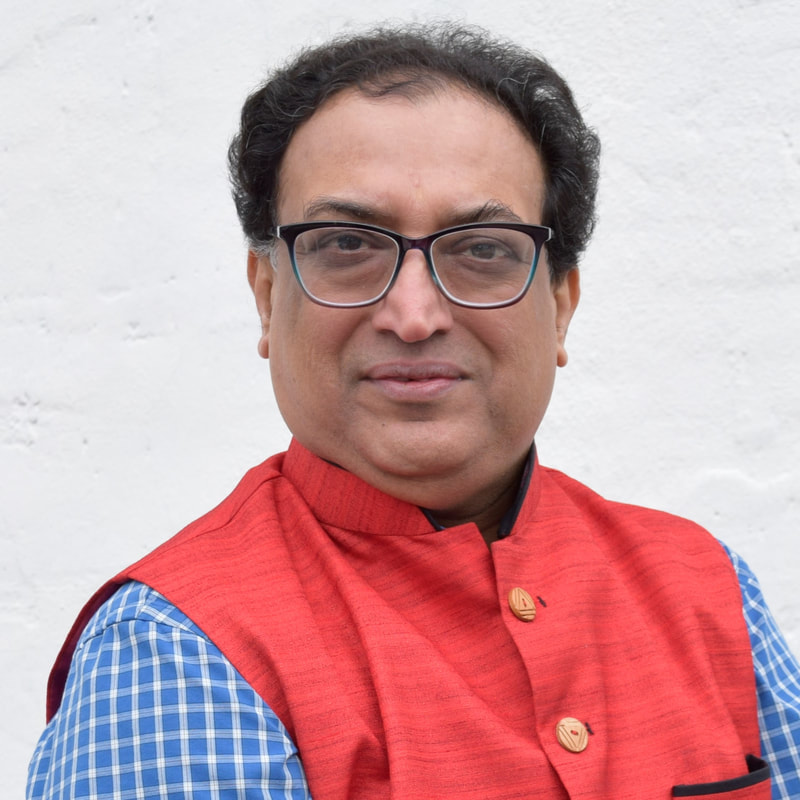
1. Gut Health and Microbiome - Pisit Mahasawanskul, BNYS, MBA, Bangkok, Thailand
2. Gastrointestinal Disorders - IBS & GERD - Rene Rehrig, MS, PA-C (Gastroenterology), Pennsylvania, USA
3. Vedic Fire Ceremony (Agni Hotra) - Priest Neil Parmeswar, Pennsylvania, USA
Thursday, April 15, 2027
Time |
Topic |
Speaker |
Value |
Value |
Value |
Value |
Value |
Value |
Value |
Value |
Value |
Value |
Value |
Value |
Value |
Friday, April 16, 2027
Time |
Topic |
Speaker |
Value |
Value |
Value |
Value |
Value |
Value |
Value |
Value |
Value |
Value |
Value |
Value |
Value |
Saturday, April 17, 2027
Time |
Topic |
Speaker |
Value |
||
Value |
Value |
|
Value |
||
Value |
||
Value |